
Mould Testing Sunshine Coast
Australia-Wide Remote Testing & Consultations Available
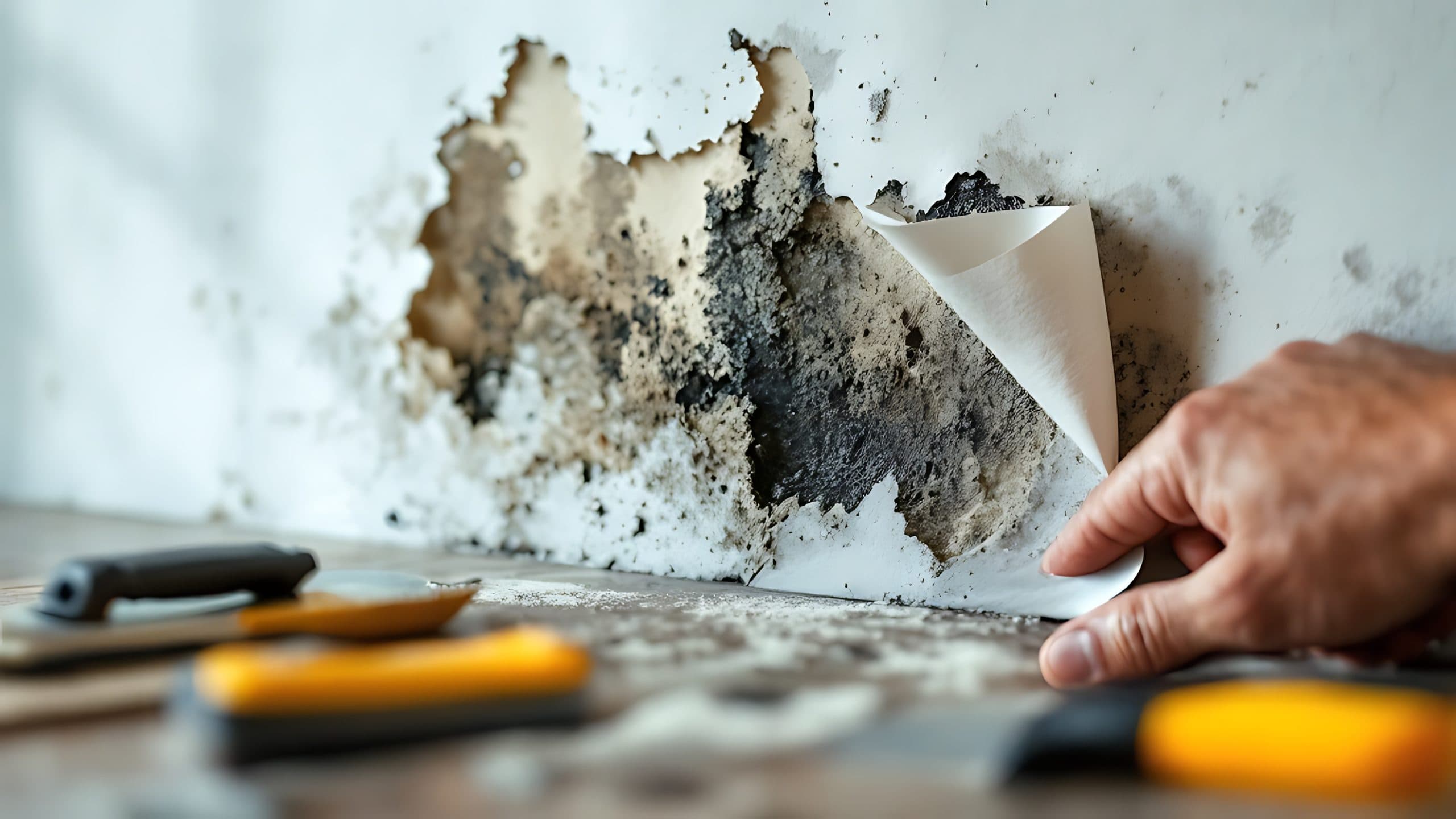
MOULD TESTING & ANALYSIS
FREE INITIAL CONSULTATION
Aus-Wide Guided Mould Testing
MOULD 101
XPANDED MOULD TESTING & ANALYSIS
Building Biologist | QBCC Licensed Builder | Building & Pest Inspector
If you're reading this, there's a good chance something hasn't felt right for a while. Perhaps you or someone within your family has been struggling with ongoing symptoms, strange reactions within the home, or the growing concern that your environment may be affecting your health. That can be an incredibly unsettling feeling - questioning whether your own home, the place meant to feel safe, could be contributing to how you feel.
At Xpanded Concepts, we know how overwhelming that uncertainty can be, which is why we take a very different approach to mould testing. For us, investigating a home is about understanding you first, before the home. Your symptoms, your health, your concerns, and your experience within the home environment.
Then comes the home itself - its history, known issues, and building conditions. This information helps determine whether our service is the right fit as our approach goes far beyond simply looking for visible mould.
Our process uses targeted air and surface sampling, combined with laboratory analysis, to identify measured levels of mould contamination. No guesswork, no assumptions - just real data. However, contamination levels are only one piece of the puzzle. The other is identifying why the contamination is occurring in the first place.
As a QBCC licensed builder and building & pest inspector, Xpanded Concepts also investigates the conditions that may be contributing to mould growth, including moisture intrusion, ventilation issues, condensation risks, and building defects. This provides a more complete understanding of both the indoor environment and the underlying causes, allowing us to provide clear, practical guidance on what to do next.
XPANDED MOULD ASSESSMENTS
An Integrated Approach to Mould Assessment
Mould is rarely just a mould problem. It is often the result of a complex interaction between moisture, building performance, environmental conditions and the people living within the home.
At Xpanded Concepts, we combine building biology, building science and environmental assessment to provide a broader understanding of mould contamination. By considering the occupants, the building and the conditions that contributed to the issue, we can help identify not only where mould is present, but why it developed and what practical steps may be required moving forward.
What makes our approach Unique
Health-Focused, Laboratory-Guided Assessment
Building biology views mould through the lens of both human health and building performance. We focus on investigating the problem, identifying contamination levels, understanding potential health implications and helping determine the most appropriate path forward, Not just what can be seen with the naked eye.
Laboratory Analysis & Professional Assessment - Data over guesswork!
Builder & Inspector Experience
With more than 28 years in the building industry, we are a QBCC Licensed Builder and Licensed Building & Pest Inspector, Ryan brings a deep understanding of how homes are designed, constructed, perform and fail over time.
This experience provides valuable insight into moisture pathways, building defects, ventilation issues, construction practices and the conditions that often contribute to mould problems. It also allows mould findings to be considered within the broader context of the building itself, helping identify not just where issues exist, but why they may have developed in the first place.
No Remediation Services. No Conflict of Interest.
We don't clean mould or perform remediation works. Our role is to independently assess the property, interpret the findings and provide practical recommendations based on the evidence. Because we have no financial interest in the outcome, you can be confident that our focus is on accurate assessment, not generating remediation work.
Independent assessment. Objective advice. Evidence-based recommendations.
Service Types & Areas
ONLINE GUIDED TESTING
Xpanded Concepts also offers Australia Wide Guided Mould Testing
Test Kits | Online testing guidance | Professional interpretation & report
How Our Mould Testing & Analysis Process Works
For Both Onsite & Australia-Wide Mould Testing
STEP 1 - PRE-INVESTIGATION
Our mould assessments always begin with a conversation.
We first take the time to understand what is happening with you. Your symptoms, concerns, experiences within the home, observations, and reasons for reaching out all provide important context. From a building biology perspective, understanding the occupants and their relationship with the environment is often more important than understanding the building itself.
The second part of the process is understanding the home. We discuss the property history and any other factors that may be contributing to moisture or fungal amplification within the indoor environment. As well as size, location & layout.
Finally, we look at the relationship between the two. This helps us determine whether our service is the right fit for you, and what type of investigation or sampling strategy may be most appropriate for your specific circumstances. Every home and every situation is different. There is no one-size-fits-all approach to mould investigations, which is why each assessment is tailored to the individual environment and concerns involved.
There is no cost for this initial discussion. If you have concerns about your home environment,
Contact Xpanded Concepts on 0401 527 667
STEP 2 - SAMPLING STRATEGY & QUOTATION
Following the initial consultation, we develop a sampling and investigation strategy tailored to your specific situation.
Every home, occupant, budget, and contamination concern is different. Factors such as the size of the property, known moisture issues, symptoms, visible concerns, building history, suspected contamination areas, and whether the investigation is being conducted remotely or on-site all influence the most appropriate testing approach.
In some cases, we may provide multiple investigation options or staged approaches depending on your goals, priorities, and budget considerations. There is no single "standard" mould test that suits every situation, which is why we take the time to develop a strategy specific to your environment and concerns.
Our goal is to work with you to find the most practical and appropriate approach possible while still gathering meaningful information about the indoor environment. Once the scope of works and sampling strategy have been agreed upon, payment in full is required before proceeding to testing and analysis.
Step 3 - Testing
Testing is where we begin gathering the physical evidence needed to understand what is happening within the home. Up until this point, our process is exactly the same for every client. The pre-investigation, consultation, review of your concerns, and development of a sampling strategy are carried out in the same manner regardless of where you are located.
Testing is the stage where the process differs. For clients located within our service area (Sunshine Coast, Brisbane & Gympie), we attend the property and perform the testing on-site. For clients located outside our service area, we offer a guided testing option where you collect the samples yourself using our testing kits, instructional videos, and direct support.
While the collection method differs, the goal remains exactly the same: to obtain reliable samples that can be analysed by the laboratory and used to build an accurate understanding of the home's condition. Once testing is complete, both pathways merge back into the same process. The samples are sent to the laboratory for analysis, interpreted using the same methodology, and incorporated into the same reporting framework.
Your location determines how the samples are collected, not the quality of the investigation.
On-Site Testing
For clients within our service area, (Sunshine Coast, Brisbane & Gympie) we can attend the property and carry out the assessment in person.
While sampling is an important part of the process, the investigation goes far beyond simply collecting mould samples. During the assessment, we are actively looking for clues that may help explain why mould is present and where the moisture supporting it may be coming from.
Depending on the scope of the assessment, this may include;
- a visual inspection of the property,
- moisture meter testing,
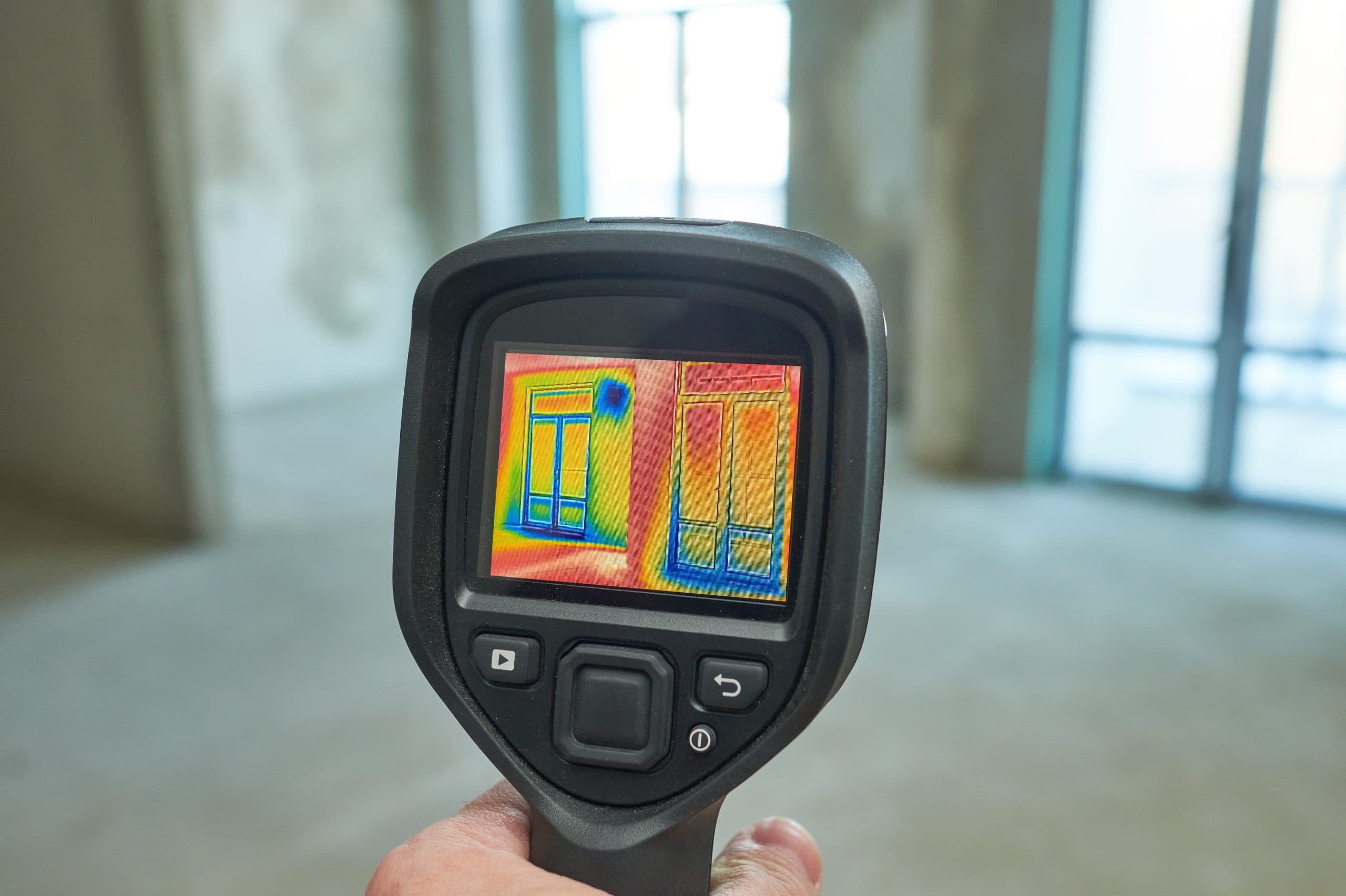
- thermal imaging,
- psychrometric measurements (temperature, humidity and dew point analysis), and
- an evaluation of building conditions known to contribute to moisture and mould issues.
As samples are collected, we are simultaneously building a picture of the home. We are looking for signs of water intrusion, condensation, inadequate ventilation, plumbing issues, building defects, or other conditions that may be contributing to mould growth.
The information gathered on-site plays an important role in interpreting the laboratory results. When the laboratory data is returned, it is combined with the observations made during the inspection to help identify affected areas, understand potential moisture sources, and guide practical recommendations for moving forward.
The goal is not simply to determine whether mould is present. The goal is to understand why it is present, what is driving it, and what steps may be required to address the underlying cause.

Aus-Wide Guided Testing
For clients outside our local service area, we offer an Australia-wide guided testing option.
Access to qualified building biologists and mould professionals can be limited, particularly in regional and remote areas of Australia. The good news is that while mould sampling requires a specific methodology, the physical process of collecting samples is often straightforward when guided correctly.
Our Australia-wide mould testing service allows clients anywhere in Australia to access professional mould assessment and laboratory analysis. Through guided sampling protocols, instructional resources and expert support, we can help determine mould contamination levels and provide practical guidance on the most appropriate next steps.
The primary focus of this process is to collect reliable samples for laboratory analysis. We send you the required sampling equipment, along with the appropriate number of test kits based on the sampling strategy developed during the earlier stage of the process.
From there, we guide you step-by-step through the testing methodology using clear instructional videos and support. You are shown exactly how to collect the samples, what order to follow, what to avoid, and how to handle the samples correctly.
The process itself is not difficult, but it does need to be done correctly. Mould sampling follows a specific methodology, and small mistakes can affect the reliability of the results. Our role is to make sure you understand the do's and don'ts before you begin, so the samples are collected in a consistent and reliable way.
Once the samples are collected, they are packaged and returned for laboratory analysis. From that point, the process continues in the same way as our on-site testing service, with laboratory interpretation, reporting, and practical recommendations.
STEP 4: LABORATORY ANALYSIS
Once the samples have been collected, they are sent to an independent NATA-accredited laboratory for analysis. Laboratory analysis provides valuable insights that are impossible to determine through a visual inspection alone.
The laboratory examines each sample to identify the types of mould present and the concentration of mould spores detected.
This information helps us understand the story the home is telling.
By identifying the types and concentrations of mould present in each sample, we can begin to determine which rooms appear to be genuinely affected by mould growth, which areas may have an underlying moisture issue, and which spaces may simply be experiencing cross-contamination from another part of the home. Not all mould findings mean the same thing.
A room with elevated mould levels may indicate an active moisture problem requiring further investigation, while another room may only be receiving mould spores that have migrated from elsewhere in the building. The laboratory data helps us distinguish between these possibilities.
This information plays a critical role in guiding the investigation. It helps us focus our attention on the areas most likely to require further inspection, moisture tracing, remediation, or corrective action. The goal is not simply to identify mould. The goal is to understand where it is coming from, why it is there, and what needs to happen next to address it.
STEP 5: REPORTING & RECOMMENDATIONS
Once the laboratory results have been received and interpreted, all findings are compiled into a full report.
This report brings together the laboratory analysis, visual inspection findings, moisture investigation, building observations, and information gathered during the pre-investigation process to provide an overall understanding of the home.
Rather than simply presenting laboratory data, the report explains what the findings mean in practical terms. We identify areas of concern, discuss potential moisture sources, highlight building defects or conditions contributing to mould growth, and outline whether further investigation may be required.
Where appropriate, recommendations are provided to help guide the next steps. These may include moisture management strategies, building repairs, further intrusive investigations, remediation recommendations, ventilation improvements, or ongoing monitoring.
Our goal is to provide clarity. Mould investigations can often feel overwhelming, particularly when laboratory results contain technical terminology and complex data. We translate these findings into plain English so you can understand what is happening within the home and make informed decisions moving forward.
At the end of the process, you should have a clear understanding of:
- What mould issues were identified.
- Which areas of the home are affected.
- Potential moisture sources contributing to the problem.
- The likely significance of the findings.
- Recommended next steps to address the issue.
How To Book A Mould Assessment
Every mould investigation starts with a conversation.
Before any testing is recommended or before we can quote a price, we take the time to understand your situation, your concerns, and what is happening within the home. This initial discussion allows us to determine whether our service is the right fit for you and, if so, what level of investigation may be appropriate.
Call us on 0401 527 667 to discuss your situation.
Alternatively, click below to complete our contact form and we'll be in touch to discuss your needs and guide you through the next steps.
Why Choose Xpanded Concepts
A Unique Combination of Building Science & Health Insight
As a qualified Building Biologist, Licensed Builder, and Licensed Building & Pest Inspector, I bring a unique combination of skills that allows me to look beyond the laboratory results and understand the building as a whole.
This combination of building science, inspection experience, and health-focused building biology allows us to not only identify mould contamination, but also better understand what may be driving it.
We Go Far Beyond Visual Inspections
We believe visual inspections alone are often inadequate for assessing mould contamination. While visible mould can provide important clues, many mould issues occur in concealed areas long before visible growth becomes apparent.
Rather than relying solely on what can be seen, our assessments utilise professional testing methodologies, laboratory analysis, moisture investigations, and building science principles to develop a more complete understanding of the home's condition.
Building Biology Driven Approach
Mould testing is largely an unregulated industry, meaning many companies offer testing services with little understanding of the relationship between mould, the building, and the people living within it.
As a qualified Building Biologist, my approach goes beyond simply collecting samples and reporting laboratory results. Building biology is a health-focused discipline that examines the connection between people, their indoor environment, and their health.
By combining your concerns, building observations, moisture investigations, and laboratory analysis, we aim to develop a more complete understanding of what may be happening within the home and provide practical guidance on the most appropriate next steps.
Independent Advice - No conflict of Interest
Xpanded Concepts is a fully independent testing and consulting service.
We do not perform mould remediation, meaning we have no financial incentive to overstate issues or recommend unnecessary work.
We are also not engaged by insurance companies and therefore do not have obligations to represent their interests.
Our role is simple: to provide independent observations, reliable testing, and objective information that helps you understand what is happening within your home. The findings are the findings. Our responsibility is to follow the evidence, present the data, and provide practical guidance so you can make informed decisions moving forward.

Mould 101 - Learn More About Mould
Mould can be a confusing topic. Between conflicting advice online, social media opinions, remediation marketing, and scientific terminology, it can be difficult to know what information to trust. This section has been created to help you better understand mould, moisture, testing, products, and healthy indoor environments. Whether you're just starting your research or looking to go deeper into a specific topic, you'll find practical, evidence-based information designed to help you make informed decisions about your home and health.
Explore the topics below to learn more.
When Should You Consider Mould Testing?
There is no single sign that confirms a mould problem. Instead, mould investigations are typically triggered by one of three factors: changes in your health, conditions within the home, or specific circumstances that increase the likelihood of mould contamination.
CONDITIONS WITHIN YOU
From a building biology perspective, your body is often one of the most important indicators that something may not be right within the indoor environment. As Building Biologists, we pay close attention to the symptoms & conditions people are experiencing because the body can often detect problems long before they become obvious within the building itself. While symptoms alone cannot diagnose mould contamination, they can provide valuable clues that help guide an investigation and determine whether further testing may be warranted.
Personal Symptoms
- Recurring respiratory illness
- Persistent sinus congestion or sneezing indoors
- Chronic coughing, wheezing, or throat irritation
- Watery, itchy, or irritated eyes
- Skin irritation or unexplained rashes
- Headaches, brain fog, or difficulty concentrating
- Fatigue or low energy levels within the home
- Respiratory irritation or worsening asthma symptoms
- Increased sensitivity to smells, chemicals, or indoor environments
- Sleep disturbances or poor sleep quality at home
- Symptoms that worsen during humid or wet weather periods
- Ongoing health concerns without a clear explanation
Experiences & Patterns You May Notice
- Symptoms improve after spending time away from the home.
- Symptoms return or worsen shortly after returning home.
- Symptoms appear to be worse in certain rooms or areas of the property.
- A particular room feels uncomfortable or unpleasant to spend time in.
- Family members experience similar symptoms within the home.
- You notice a musty smell but cannot identify the source.
- You feel noticeably better when windows and doors are open.
- Sleep quality appears worse in a particular bedroom.
- Symptoms seem to worsen during wet weather or periods of high humidity.
- Health concerns persist despite addressing other potential causes.
CONDITIONS WITHIN THE HOME
In many cases, the home itself provides clear clues that conditions may be suitable for mould growth. Mould requires moisture to grow, so any event, building defect, or environmental condition that introduces or traps moisture within the home can increase the risk of contamination. The following building conditions, observations, and events may indicate that further mould investigation is warranted:
- Persistent musty, damp, or earthy odours
- Visible mould growth or staining
- Recent water leaks, flooding, or storm damage
- Roof leaks or signs of water ingress
- Condensation regularly forming on windows, walls, or ceilings
- High indoor humidity or damp indoor conditions
- Poor ventilation in bathrooms, laundries, or kitchens
- Water-damaged materials, bubbling paint, or warped finishes
- Air-conditioning systems with moisture or contamination concerns
- Subfloor moisture or poor subfloor ventilation
- Overflowing gutters, drainage issues, or external moisture intrusion
- Waterproofing failures in bathrooms, balconies, or wet areas
- Previous mould problems or incomplete remediation work
- Water staining or unexplained discolouration to building materials
- Rising damp or chronic moisture-related building issues
- Concerns about hidden mould within walls, ceilings, or subfloors
CIRCUMSTANCES THAT MAY WARRANT MOULD TESTING
Sometimes mould testing is appropriate even when there are no obvious symptoms or visible signs of mould within the home. Certain situations carry a higher level of uncertainty, risk, or consequence, making testing a valuable tool for gaining clarity and confidence. The following circumstances are common reasons people choose to undertake mould testing:
- Purchasing a home and wanting a better understanding of the indoor environment.
- Following a building and pest inspection where moisture issues or mould concerns have been identified.
- After a flooding event, storm damage, or significant water intrusion.
- Following a roof leak, plumbing leak, or other moisture-related incident.
- After mould remediation works have been completed.
- Post-remediation verification testing to confirm remediation objectives have been achieved.
- When a healthcare practitioner has raised concerns about mould exposure.
In these situations, mould testing can provide valuable information to help guide decisions, reduce uncertainty, and better understand the condition of the indoor environment.
Mould & The Hierarchy Of Control
The Hierarchy of Control is a widely recognised risk management framework used to reduce or eliminate hazards. Rather than simply treating the symptoms of a problem, it encourages us to identify and address the underlying cause wherever possible.
This principle is particularly important when dealing with mould. While air purifiers, cleaning products, and other interventions may have a role to play, they should never be viewed as the primary solution. Mould is typically a symptom of an underlying moisture issue, and effective mould management begins with identifying and addressing the source of that moisture.
By applying the Hierarchy of Control, we can prioritise strategies that address the root cause of the problem, creating healthier and more sustainable long-term outcomes for both the building and its occupants.
1. Elimination
Elimination is the most effective level of the Hierarchy of Control because it focuses on removing the hazard at its source.
In the context of mould, this means identifying and addressing the underlying moisture issue that is allowing mould to grow in the first place. This may involve repairing roof leaks, fixing plumbing defects, improving drainage, addressing rising damp, reducing condensation, or resolving other sources of unwanted moisture within the building.
Elimination often extends beyond simply fixing the moisture issue. Porous building materials that have remained wet for extended periods can become reservoirs for ongoing microbial growth. Materials such as plasterboard, insulation, carpets, underlay, ceiling tiles, and some furnishings can absorb moisture deep within their structure, making complete cleaning difficult or impossible. As a general principle, porous materials that have remained wet for more than 24 to 48 hours should be carefully assessed for replacement, as they may continue to support mould growth even after they appear dry.
While it can be tempting to focus on cleaning visible mould, mould will often return if the moisture source remains or the material is contaminated. For this reason, one of the primary goals of any mould investigation should be to identify why the mould is present and eliminate the conditions that are supporting its growth.
The goal of Elimination: remove the conditions that allow mould to survive and remove any materials that may continue to act as a source of contamination.
2. Substitution
Substitution is often one of the less commonly applied controls in mould management. Unlike some environmental hazards, mould is not usually addressed by simply replacing one thing with another. Where substitution does play a role, it typically involves replacing materials, products, or building elements with alternatives that are less susceptible to moisture accumulation or future mould growth.
Examples may include replacing carpet with hard flooring in moisture-prone areas, installing more moisture-resistant plasterboard in suitable applications, selecting insulation products less likely to retain moisture, or choosing building materials that better support moisture management within the home. While these measures can help reduce future risk, substitution should generally be viewed as a supporting control rather than a primary solution. Without first addressing the underlying moisture issue, even the most mould-resistant materials can eventually become affected.
For this reason, elimination of the moisture source will almost always have a greater impact than substitution alone.
3. Engineering Controls
Engineering controls are physical measures used to reduce exposure to a hazard through changes to the building, its systems, or the environment itself.
In the context of mould, engineering controls focus on managing moisture and improving the indoor environment to reduce the likelihood of mould growth and the spread of airborne spores.
Engineering controls are about creating an environment that is less favourable for mould growth and help manage moisture before it becomes a problem.
While engineering controls play an important role in mould prevention and exposure reduction, they should generally be implemented alongside elimination of moisture sources and removal of contaminated materials where required.
Examples may include:
- Optimising Ventilation
- Dehumidification
- Drainage Improvements
- Subfloor Ventilation
- Mechanical extraction
- Air Filtration
- Increasing natural airflow
The goal is to: create a building that naturally manages moisture and supports a healthier indoor environment.
4. Administrative Controls
Administrative controls are all about your habits, behaviours, and the way you operate within your home.
While the building itself plays a major role in mould growth, the actions of the occupants can also have a significant impact on the amount of moisture present within the indoor environment. Every day activities such as cooking, showering, drying clothes, cleaning, ventilation practices, and responding to water leaks can either help reduce moisture levels or contribute to conditions that allow mould to thrive.
Unlike elimination or engineering controls, administrative controls rely on consistent action by the occupants. They are the decisions you make each day that influence how much moisture is generated, how quickly it is removed, and how effectively small issues are identified before they become larger problems.
The goal of administrative controls: to create habits that support a dry, well-maintained home that is less likely to develop mould problems in the future.
Examples of administrative controls include:
- Using exhaust fans during and after showering.
- Using rangehoods when cooking.
- Opening windows when outdoor conditions are suitable.
- Avoiding drying clothes indoors where possible.
- Monitoring and managing indoor humidity levels.
- Promptly addressing plumbing leaks and water intrusion.
- Cleaning up spills and wet materials quickly.
- Maintaining gutters, downpipes, and drainage systems.
- Regularly inspecting areas prone to moisture accumulation.
- Keeping furniture slightly away from external walls where condensation may occur.
- Ensuring wardrobes, cupboards, and storage areas have adequate airflow.
- Understanding the early warning signs of moisture and mould problems.
- Following routine cleaning and home maintenance practices.
5. Personal Protective Equipment (PPE)
Personal Protective Equipment (PPE) is the final level of the Hierarchy of Control and, in the context of mould within the home, is often the least practical long-term solution. While PPE such as respirators, gloves, and protective clothing can be useful during mould inspections, cleaning, or remediation works, they do not address the underlying problem. They simply reduce a person's exposure while the hazard remains present.
For most homeowners, PPE is not a realistic or desirable long-term strategy. After all, nobody wants to wear a respirator while relaxing in their living room or sleeping in their bedroom. This is precisely why PPE sits at the bottom of the hierarchy. The preferred approach is always to identify and address the moisture source, remove contaminated materials where necessary, improve the building's performance, and adopt habits that reduce the likelihood of future mould growth.
PPE may have a role during the investigation or remediation process, but it should never be considered the solution to a mould problem within a home.
Common Moisture Sources Within The Home
If mould has one requirement for growth, it is moisture.
While mould spores are naturally present in virtually all indoor and outdoor environments, mould problems typically occur when excess moisture is introduced into a building or allowed to accumulate over time. Understanding where that moisture is coming from is often one of the most important steps in identifying, preventing, and resolving mould issues.
Moisture can enter a home from many different sources. Some originate from outside the building, others result from plumbing defects or building failures, and some are simply a consequence of everyday living. Identifying and managing these moisture sources is fundamental to creating a healthier indoor environment and reducing the risk of mould growth.
The following are some of the most common moisture sources found within residential homes:
External Moisture Sources
External moisture sources are one of the most common causes of mould and moisture problems within homes. Broadly speaking, these sources can be divided into two categories: moisture coming down from above and moisture coming up from below. Understanding whether moisture is entering from above or below is often one of the first steps in identifying the true source of a moisture problem and determining the most appropriate course of action.
Moisture Coming Down
The most obvious source of moisture is rainwater entering the building from above. This typically occurs when water finds its way through defects in the building envelope, allowing moisture to enter areas that should remain dry.
Common examples include roof leaks, defective flashings, failed sealants, leaking windows, wall penetrations, damaged cladding, and storm-driven rain entering through gaps or defects in the building's exterior.
In many cases, the point where water enters the building is not the same place where the damage becomes visible. Water can travel considerable distances through roof spaces, wall cavities, and building materials before becoming apparent, making the source of the problem difficult to identify without further investigation.
Moisture Coming Up
Moisture can also enter a home from below through a process commonly referred to as rising damp.
This occurs when moisture present within the soil is drawn into porous building materials through capillary action. Many common building materials, including concrete, masonry, mortar, and brickwork, act much like a sponge. When these materials remain in contact with moisture for extended periods, they can absorb water and transport it upwards through the structure.
Poor site drainage, inadequate waterproofing, leaking underground services, high ground levels, and persistently wet soil conditions can all contribute to this process.
While rising damp is often associated with older homes, any building material that remains exposed to ongoing moisture has the potential to absorb and transmit water. Over time, this can create elevated moisture levels within walls, flooring systems, and internal finishes, increasing the risk of mould growth and material deterioration.
Internal Moisture Sources
Not all moisture problems originate from leaks or building defects. In many homes, a significant amount of moisture is generated simply through everyday living. Every day, occupants release water vapour into the indoor environment through normal activities. If this moisture is not effectively removed through ventilation, extraction, or dehumidification, it can accumulate within the home and contribute to condensation, elevated humidity, and mould growth.
Everyday Living Activities
Some of the largest sources of indoor moisture are the activities we perform every day.
Cooking releases significant amounts of water vapour into the air, particularly when boiling, steaming, or using uncovered pots. Bathing and showering can rapidly increase humidity levels within a home, while washing and drying clothes can introduce large amounts of moisture into the indoor environment, particularly when clothes are dried indoors.
While each activity may seem insignificant on its own, the cumulative effect throughout the day can result in substantial moisture generation.
Breathing & Insensible Perspiration
One of the most overlooked sources of moisture within a home is the occupants themselves.
Even when sitting still, sleeping, or carrying out normal daily activities, the human body continuously releases moisture into the air through breathing and a process known as insensible perspiration. This is the natural release of water vapour through the skin, even when we are not visibly sweating.
Over the course of a day, a single person can release a surprisingly large amount of moisture into the indoor environment. In occupied homes, particularly bedrooms, this moisture contribution can become significant and is one of the reasons ventilation plays such an important role in maintaining healthy indoor air quality.
Other Sources of Indoor Moisture
Many common household products and lifestyle choices can also contribute moisture to the indoor environment.
Examples include:
- Aquariums and fish tanks
- Humidifiers
- Essential oil diffusers
- Indoor water features
- Large numbers of indoor plants
- Evaporative cooling systems
While these sources may be relatively small on their own, they can contribute to elevated indoor humidity levels when combined with the moisture generated through everyday living.
Understanding how much moisture is being generated within a home is an important part of understanding mould risk. In many cases, the issue is not a single moisture source, but the combined effect of multiple moisture-producing activities occurring within a building that lacks adequate ventilation or moisture management.
Plumbing & Building Defects
Plumbing and building defects are among the most common causes of concealed moisture problems within homes. Unlike roof leaks or visible flooding events, these issues can often go unnoticed for extended periods. Moisture may accumulate slowly within wall cavities, beneath flooring, behind shower linings, or within ceiling spaces, allowing mould growth and material deterioration to develop long before obvious signs become visible.
Plumbing Leaks
Leaking plumbing systems are a common source of unwanted moisture within buildings. These leaks may occur in water supply pipes, drainage pipes, fixtures, fittings, hot water systems, or appliances connected to the plumbing network. Even relatively small leaks can release significant amounts of moisture over time. Because many plumbing services are concealed within walls, ceilings, and floors, these problems can remain hidden for months or even years before they are discovered.
Failed Waterproofing Systems
Waterproofing systems are designed to prevent water from entering areas of the building that should remain dry. When these systems fail, moisture can escape into surrounding building materials and structural components. Common examples include failed shower waterproofing, deteriorated sealants, cracked grout, and defects in wet area construction. In many cases, the bathroom itself may appear functional while moisture is slowly entering adjacent walls, flooring systems, or subfloor areas.
Air Conditioning Systems
Air conditioning systems can also be a source of unwanted moisture. As air conditioners operate, they remove moisture from the air through condensation. This moisture must then be safely drained away from the building. Blocked, damaged, or poorly installed condensate drains can allow water to accumulate within ceilings, wall cavities, or other concealed areas. In addition, condensation can sometimes form on poorly insulated ducts, pipework, vents, or air conditioning components. Over time, this repeated moisture exposure can create conditions favourable for mould growth and material deterioration.
Ambient Humidity & Environmental Moisture
Not all moisture within a home originates from leaks, plumbing defects, or everyday living activities. In many parts of Australia, moisture is naturally present within the outdoor environment and can enter the home through normal air movement and ventilation. This moisture exists as water vapour within the air and is commonly referred to as humidity. The higher the humidity, the greater the amount of moisture the air contains.
The significance of humidity varies considerably depending on climate, season, and location. Homes located in tropical, subtropical, coastal, or high-rainfall regions are often exposed to higher levels of environmental moisture than homes in drier climates. While humidity itself is not necessarily a problem, excessive indoor humidity can increase the likelihood of mould growth, material deterioration, and condensation-related issues. This is particularly true when homes have limited ventilation, poor airflow, or areas where moisture can accumulate over time.
Understanding the role of environmental humidity is important because moisture problems do not always originate from a defect within the building. In some cases, the moisture source is simply the surrounding environment and the home's inability to effectively manage the moisture load placed upon it.
Understanding Condensation
Condensation is one of the most common causes of mould growth within homes, yet it is often one of the least understood. Many people assume condensation is simply a ventilation problem, a humidity problem, or an insulation problem. In reality, condensation is usually the result of all three interacting together. To understand condensation, we first need to understand the relationship between air, temperature, and moisture.
Air's Ability to Hold Moisture
The air around us is constantly holding moisture in the form of water vapour. However, the amount of moisture air can hold is not fixed. It changes depending on temperature. Warm air can hold significantly more moisture than cold air. As air temperature increases, its capacity to hold moisture increases. As air temperature decreases, its capacity to hold moisture decreases.
What Actually Causes Condensation?
Condensation occurs when moisture-laden air is cooled to the point where it can no longer hold all of the moisture it contains.
Within a home, this typically happens when warm indoor air comes into contact with a colder surface such as a window, external wall, ceiling, or other poorly insulated building element.
As the air immediately adjacent to that cold surface cools, its ability to hold moisture decreases. Eventually, it reaches a point where some of that moisture must leave the air and return to liquid form.
This liquid water is the condensation you see on windows, walls, ceilings, and other surfaces. Importantly, the water is not coming through the surface. It is coming out of the air.
Why Some Homes Experience More Condensation Than Others
Condensation is typically the result of three factors working together:
- Moisture in the Air (Humidity) The more moisture present in the indoor air, the greater the likelihood that condensation will occur.
- Cold Surfaces - The colder a surface becomes, the more likely it is to cool the surrounding air to the point where condensation forms. Single-glazed windows, uninsulated walls, thermal bridges, metal framing, and poorly insulated ceilings are common examples.
- Limited Air Movement - Air movement helps distribute heat and moisture throughout a room. Areas with poor airflow often develop pockets of cooler, stagnant air where condensation can occur more easily.
This is why condensation is frequently found behind furniture, inside wardrobes, within cupboards, and in corners of rooms where air circulation is limited.
Understanding Dew Point
The temperature at which air can no longer hold all of its moisture is known as the dew point. Once a surface cools below the dew point temperature of the surrounding air, condensation will begin to form. This is why two homes with the same indoor temperature can experience very different condensation issues. The determining factors are not just temperature, but the combination of temperature, humidity, insulation, and airflow.
Why Condensation Matters
Condensation is often dismissed as a minor inconvenience. However, repeated condensation can introduce significant amounts of moisture into building materials over time. When surfaces repeatedly become damp, conditions become increasingly favourable for mould growth, material deterioration, and poor indoor environmental quality. In many homes, mould growth around windows, on ceilings, behind furniture, and within wardrobes is not the result of a leak at all. It is the result of condensation occurring repeatedly over months or years.
Managing Condensation
Effective condensation management requires addressing the factors contributing to the problem rather than simply cleaning the mould that appears as a result. This may involve:
- Reducing indoor humidity levels.
- Improving ventilation.
- Increasing airflow within rooms.
- Improving insulation performance.
- Addressing thermal bridges.
- Managing moisture generated through everyday living.
The key takeaway is simple: condensation is not caused by one thing alone. It occurs when moisture, temperature, and airflow combine in a way that allows water vapour in the air to return to liquid water.
Understanding this relationship is often the first step towards creating a healthier, mould-resistant home.
Common Misconceptions Around Mould
Misconception #1: "If mould contamination exists, it will always be visible."
One of the most common misconceptions around mould is the belief that contamination must always be visible to the eye. Unfortunately, this is often not the case. Some of the most significant mould contamination can exist completely hidden to our eyes.
This is why we do not offer visual-only mould inspections. Testing and analysis provide a far deeper understanding of the fungal ecology of a space. Rather than relying on assumptions or what can be seen with the naked eye, proper analysis helps identify what may actually be occurring within the indoor environment and whether the home is functioning more like a healthy indoor space - or a contaminated one.
Misconception #2: "Black mould is the dangerous mould."
Another extremely common misconception is the belief that "black mould" is the only dangerous mould. In reality, colour alone tells us very little. Many different mould species can appear black, dark green, grey, brown, or even white depending on lighting conditions, growth stage, moisture content, and the material they are growing on.
This is why colour is not a metric used in professional mould testing and analysis. Species is what matters.
Testing and laboratory analysis allow us to identify the specific fungal species present within the environment, rather than relying on visual assumptions based on appearance alone. Different species have different behaviours, moisture requirements, ecological significance, and potential health implications.
Certain species are also more strongly associated with water-damaged buildings and the production of particular mycotoxins or inflammatory compounds that may be relevant to human health. This is one of the reasons why proper identification matters so much.
Misconception #3: "The solution is to kill the mould."
One of the most common approaches to mould problems is the belief that the goal is simply to "kill" the mould using bleach, chemicals, or antimicrobial sprays. In reality, mould remediation is far more nuanced than this. The first step is understanding what type of contamination scenario is actually occurring, because different situations require very different responses.
In some cases, mould growth is occurring on the surface of non-porous materials such as glass, metal, tiles, or window frames. Often, the mould is not feeding on the material itself, but rather on the organic matter, dust, oils, and dirt accumulated on the surface - particularly in environments affected by condensation and elevated humidity.
In these situations, harsh chemical treatments are often unnecessary. Proper physical cleaning using methods such as a damp microfibre cloth, appropriate detergent, and HEPA vacuuming is frequently sufficient when combined with correcting the underlying moisture or humidity issue contributing to the growth.
However, porous materials are an entirely different situation.
When materials such as plasterboard, insulation, carpet, particleboard, or timber become water damaged and contaminated, fungal growth can penetrate deep into the material itself. In these cases, the contamination is often embedded within the substrate, meaning surface cleaning or chemical treatment alone is unlikely to solve the problem long term.
This is one of the reasons why mould frequently "comes back" after being sprayed or wiped down.
In many cases involving contaminated porous materials, proper removal and replacement of the affected material is the more appropriate approach, alongside addressing the underlying moisture source that allowed the contamination to occur in the first place.
From a building biology perspective, successful mould remediation is not simply about "killing mould." It is about understanding moisture, identifying contamination pathways, correcting the environmental conditions allowing fungal growth, and determining whether materials are cleanable, or no longer salvageable.
Misconception #4: "If mould is affecting the home, everyone in the house will react the same way."
One of the most confusing aspects of mould-related environments for many families is that different people within the same home can respond very differently. It is extremely common in mould-contaminated homes for one or two occupants to be experiencing significant symptoms, while others within the exact same environment appear largely unaffected.
We may see situations where one family member is struggling with ongoing respiratory issues, fatigue, headaches, skin irritation, sinus congestion, brain fog, or inflammatory-type symptoms, while another occupant living in the same house reports little to no noticeable reaction at all. This does not necessarily mean the environment is healthy.
Human responses to indoor environmental exposures can vary enormously between individuals. Factors such as genetics, immune function, age, overall health status, respiratory conditions, cumulative toxic load, time spent indoors, previous mould exposure history, stress levels, and individual sensitivity may all influence how someone responds within a contaminated environment.
Children, the elderly, immunocompromised individuals, and those already dealing with chronic health conditions may also be more vulnerable to poor indoor environmental quality. This is one of the reasons why mould investigations should not rely solely on whether "everyone feels sick" within the home. The absence of symptoms in one occupant does not automatically mean the environment itself is functioning as a healthy indoor space.
From a building biology perspective, we recognise that environmental exposures and human health responses are highly individual, which is why understanding both the home and the occupants forms an important part of the assessment process.
Misconception #5: "A home either has mould, or it doesn't."
One of the biggest misconceptions around mould is the belief that a home is either "mould contaminated" or completely mould free. In reality, mould is a natural part of the environment.
Fungal spores exist virtually everywhere - outdoors, indoors, and within the air we breathe every day. If we test outdoor air, we will find mould. Likewise, if we test most indoor environments, we are also likely to detect some level of fungal presence. This is considered normal.
A typical healthy home is not completely sterile, nor does it need to be. In many cases, a relatively normal fungal ecology can exist within a home without the building necessarily being considered mould contaminated. Human immune systems have evolved alongside these natural environmental exposures.
However, there are levels to this. Problems begin to occur when indoor environments start shifting away from a relatively normal fungal ecology and towards conditions that support abnormal fungal amplification, water-damage-associated species, elevated spore loads, persistent moisture, or chronic contamination reservoirs within the home.
This is why mould assessment is not simply about asking whether mould exists or not. The more important questions are:
- What species are present?
- In what concentrations?
- Are indoor levels behaving similarly to the outdoor environment?
- Are there indicators of water damage or hidden amplification?
- Are moisture conditions allowing ongoing fungal growth?
- Is the home supporting a healthy indoor environment, or contributing to excessive environmental load?
From a building biology perspective, the goal is not necessarily to create a perfectly sterile home. The goal is to create an optimised indoor environment that helps reduce unnecessary environmental stressors and minimise abnormal fungal burden where reasonably practical. This may involve improving moisture management, ventilation, filtration, humidity control, cleaning practices, building performance, and overall environmental quality to help reduce the total fungal load occupants are exposed to over time.
Mould - Shop
INOVA AIR PURIFIER
Xpanded Concepts is proud to be an authorised distributor of Innova Air, a leading air purification system recognised for its performance and innovation.
Innova Air purifiers are designed to deliver high-efficiency filtration, helping to reduce airborne particles such as mould, dust, allergens, VOCs and other indoor contaminants.
This is the system I personally use in my own home, which reflects the level of confidence I have in its performance and reliability.
When you purchase through Xpanded Concepts, you gain access to exclusive deals and support, ensuring you not only get the right system for your space, but also guidance you can trust.
WHY XPANDED CONCEPTS CHOOSES INOVA
With plenty of options to choose from why do I choose and trust Inova for myself, my child and my clients.
- They have the best filtration on the market with a H13 Medical Grade HEPA Filter - Not all HEPA filters are the same!
- Their carbon filter (for things like VOCs) is the best I've seen
- 5 Year Warranty. Who does that? The max you'll find anywhere else is 2.
- They use pre-filters which extends the life of their main filters.
- Quiet - 35-58 dB
- Solid Metal Construction with no gaps
- Australian made/supplier
- German engineered EC fan - 70% more efficient than AC fan
My Recommendations are
INOVA -E8 - RRP$875
Effective up to 25 square metres - Bedrooms/Small Living Space
INOVA -E20 - RRP$1695
Effective up to 100 square metres - Living Space
WHEN PURCHASED THROUGH XPANDED CONCEPTS RECEIVE
Receive 10% off RRP
Air Purification questions specific to your needs answered by a Building Biologist
Related guides
- Mould on the Ceiling: Causes, Clean-Up and When to WorryMould on the ceiling? How to tell condensation from a roof or plumbing leak, clean a small patch safely, and know when it needs a building investigation.
- Mould in Walls: Signs, Hidden Causes and What to DoIs the mould on your wall only on the surface or fed from inside it? The signs, the Queensland building faults behind it, and what moisture readings can prove.
- Mould in Your Air Conditioner: Unit Problem or Damp Home?Musty aircon or dark specks on the vanes? A Sunshine Coast Building Biologist explains why split systems grow mould and when it points to a damp home.

"*" indicates required fields