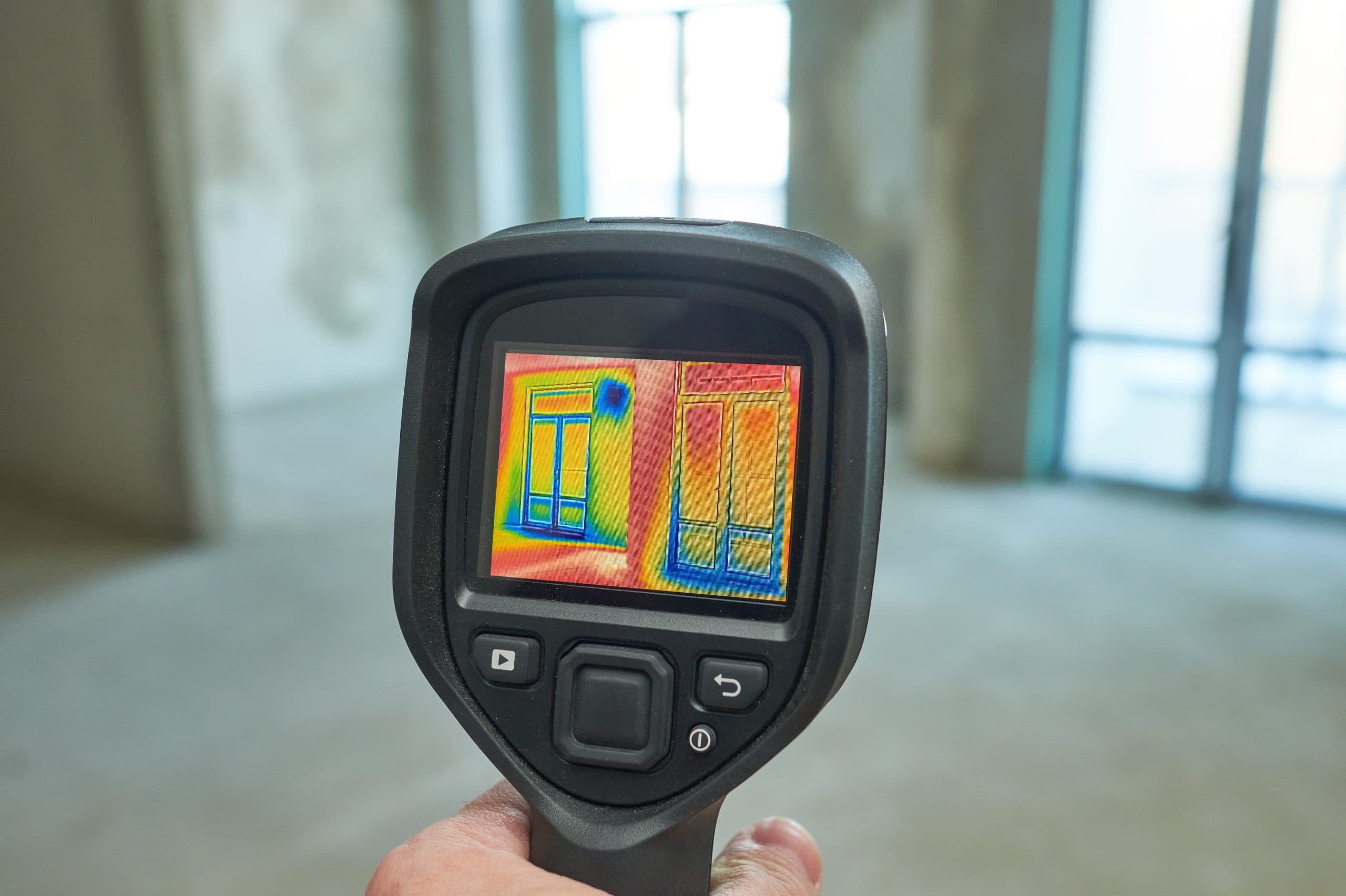
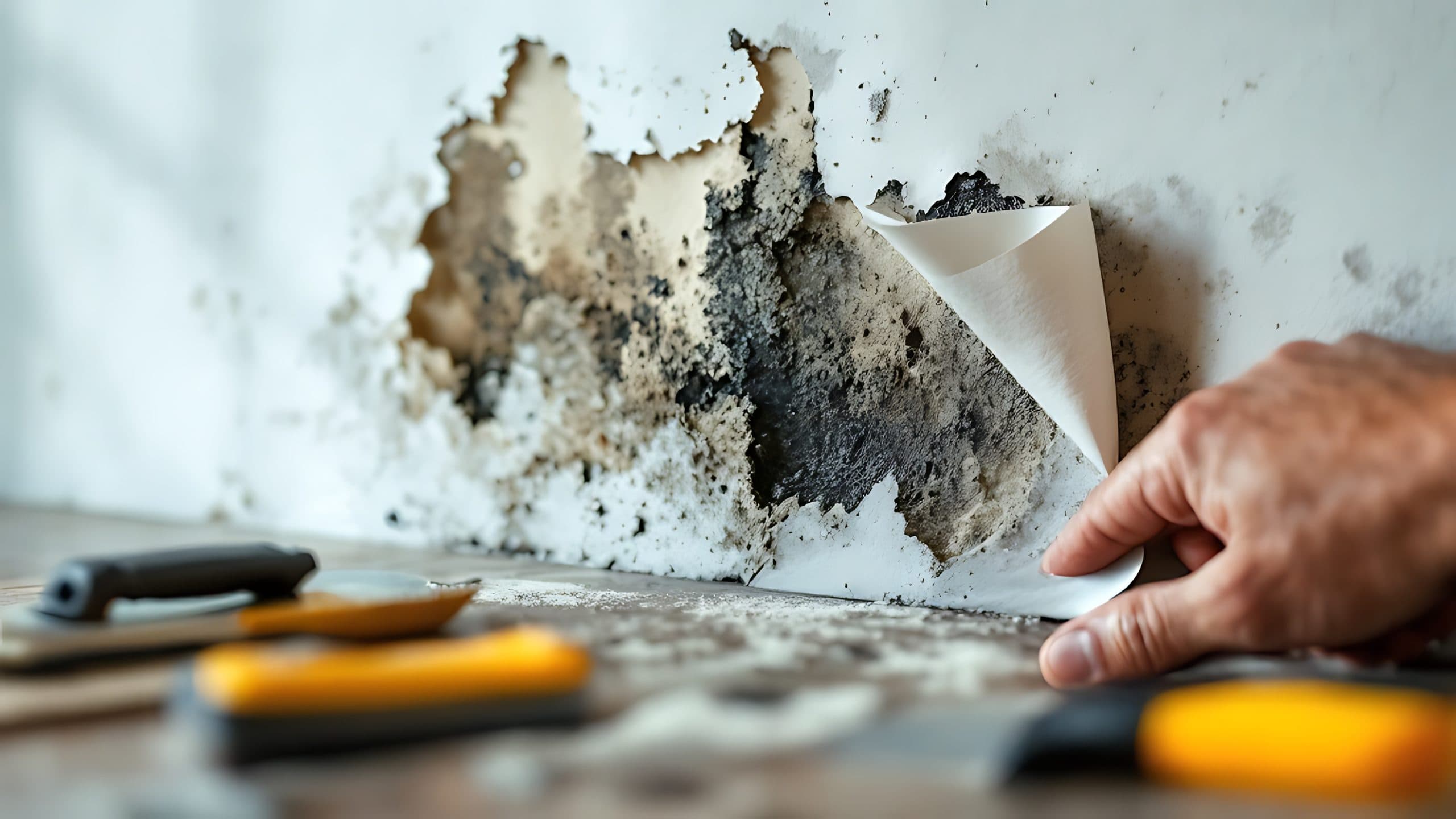
Given the severity of the client's condition, mould contamination was the primary concern going in. Despite no obvious history of water damage, a thorough assessment revealed three separate contamination sources, two of which were completely hidden.
A rising damp issue in a downstairs wall was identified as a likely primary source of the contamination presenting on the lower level. Upstairs, a leak in the ensuite bathroom had gone undetected, heavily contaminating the adjacent walk-in wardrobe and cross-contaminating the master bedroom, meaning the client was storing and wearing clothes that were potentially carrying mould spores with her throughout the day.
Perhaps most unexpectedly, external air sampling in the backyard returned excessively high mould counts, exposing the client to significant contamination even in her own outdoor space, an area she had no reason to suspect.
What happened next: The findings required meaningful building remediation, not a surface clean. The bathroom leak needed to be properly repaired, the contaminated walls stripped back rather than treated on the surface, waterproofing installed, and drainage improved to address the rising damp at its source.
This distinction matters. Cleaning visible mould without addressing the underlying building issue guarantees it returns. With 28 years in the building industry, I was able to not only identify the contamination but provide clear, realistic guidance on what remediation actually needed to look like, and why shortcuts wouldn't work.