
Building and Pest Inspections Montville
Building and pest inspections in Montville for timber homes, sloping range blocks and acreage beside Kondalilla National Park.
Montville sits about 400 metres up on the Blackall Range, and many of its homes stand on sloping ground over red basalt soil. Ryan Mair inspects the house, the roof void and any subfloor he can reach, then walks the block to see where stormwater goes and how the retaining walls are holding up. A building and pest inspection in Montville also includes a timber pest inspection for termites, borers and fungal decay. Ryan has spent over 28 years in the building industry, and he handles every Montville job himself, from the first quote to the final report.
- QBCC licensed builder & inspector
- Owner-operator, no subcontractors
- Report within 24 hours
- AS 4349.1 & AS 4349.3
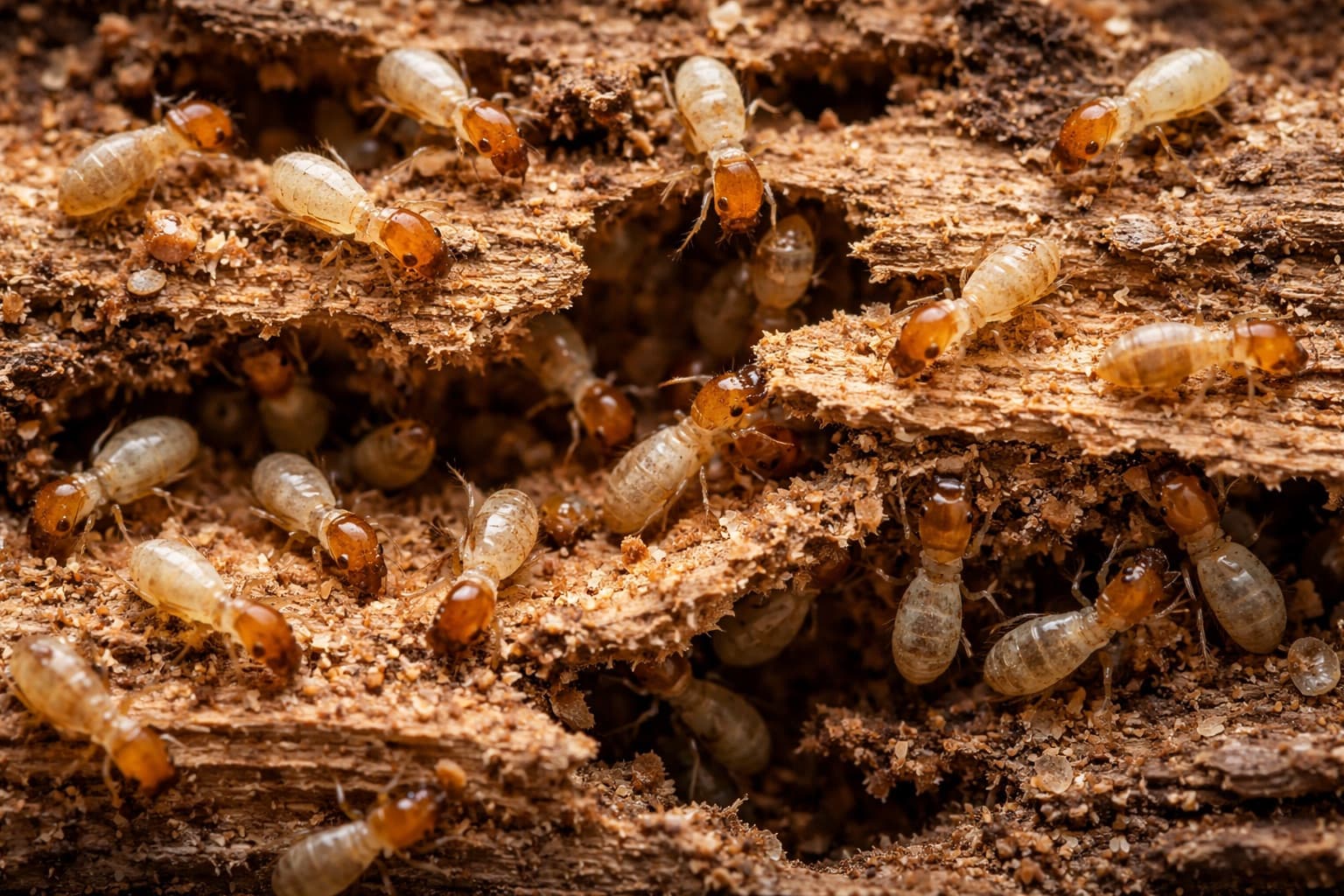
Montville started as a farming settlement called Razorback in 1887 and was drawing holiday guests by about 1900. Some homes on the range date from those orchard and guesthouse years, and many more went up after tourism took off in the 1970s. Both kinds of house can hide trouble in the timber and under the floor, so a building and pest inspection in Montville gives those areas real attention.
Book our pre-purchase building inspection and the timber pest inspection comes with it, so a range home is checked from ridge cap to stumps on the same day. Building and pest inspections in Montville look at the slope, the stumps and the roof together, so you can judge the land as well as the house before your due date.
At the 2021 Census, 90.5% of the 423 occupied private dwellings in Montville were separate houses, and the average home had 3.3 bedrooms (ABS QuickStats).
Why Montville buyers ask Ryan to look closer
Homes on the range sit on falling ground, many on timber stumps, and plenty have been extended more than once. Building and pest inspections in Montville from Xpanded Concepts treat the site, the frame and the timber as one job, because trouble in one of them usually shows up in another.
Following water down the block
Ryan traces the fall of the land around the house. He checks gutters, downpipes, surface drains and the base of retaining walls, and notes where run-off from higher ground is reaching the footings or the subfloor.
Run-off, site drainage and walls holding back soil are all inspected
Trade training in timber framing
A Certificate III in Carpentry means Ryan reads old stumps, bearers and joists the way a builder would. That helps when a hillside cottage has been re-stumped, raised or added to over the decades.
Certificate III in Carpentry
Blocked areas named plainly
Where stored goods, a low subfloor or fixed linings stop him getting to part of the home, Ryan says so in the report. You know which parts of the property were seen and which were not.
Visual, non-invasive inspection of accessible areas
Timber pests on acreage
Rural blocks near Kondalilla National Park often have firewood stacks, old fence posts and garden beds close to the house. Ryan treats these as conducive conditions and checks the subfloor, roof void and grounds during the termite inspection.
Roof void, subfloor and yard all checked for entry points
Findings grouped for decisions
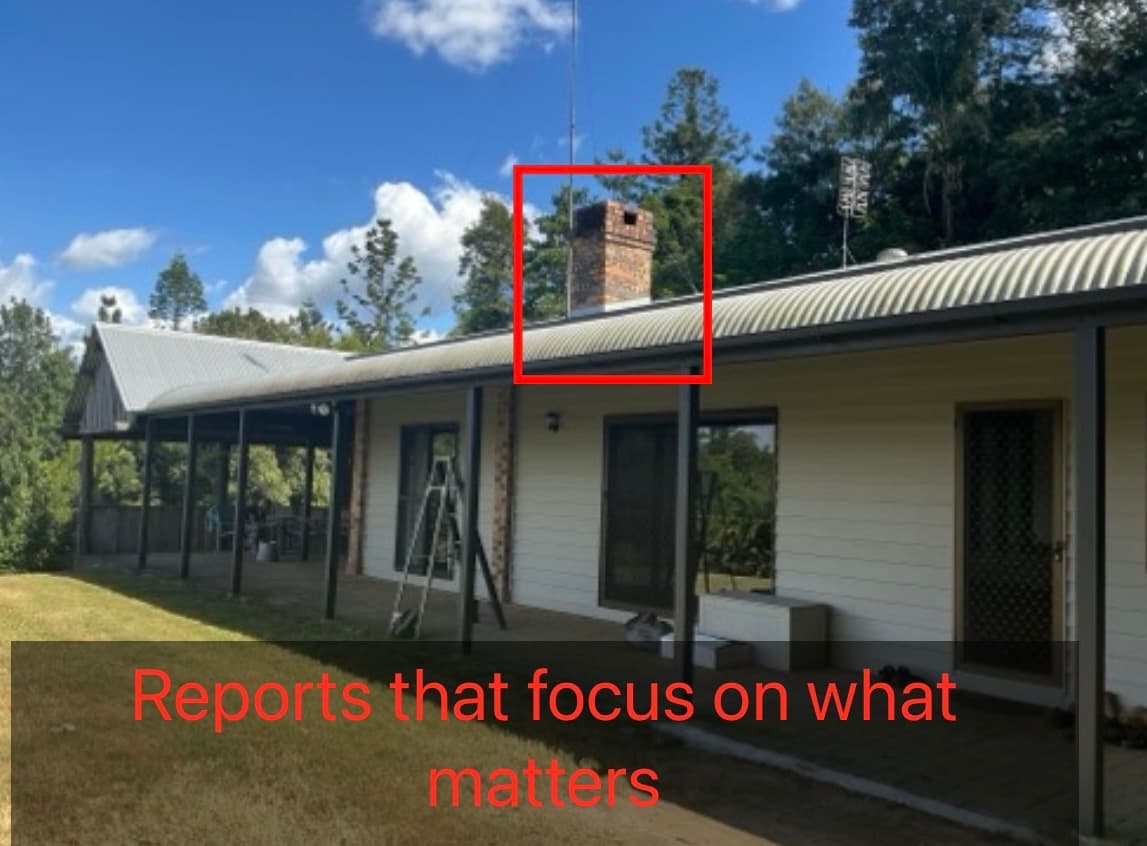
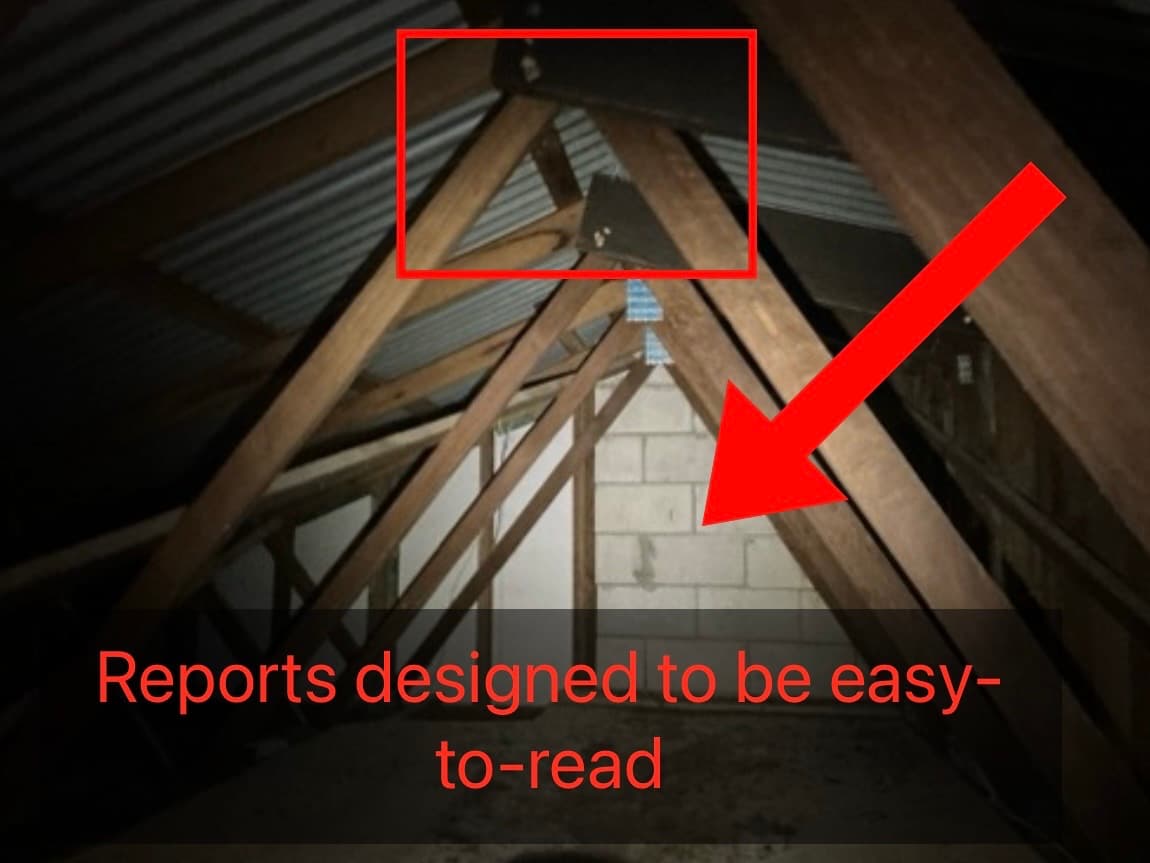
Each finding sits under one of four headings (major defects, minor defects, safety issues or timber pests) with a photo beside it. That layout makes it easier to decide what to raise with the seller and what to budget for later.
Photo report with grouped findings
Inspection types for Montville properties
Pick the visit that suits where you are. A building and pest inspection in Montville can support a purchase, a sale, a newly finished home or a defect that has already appeared.
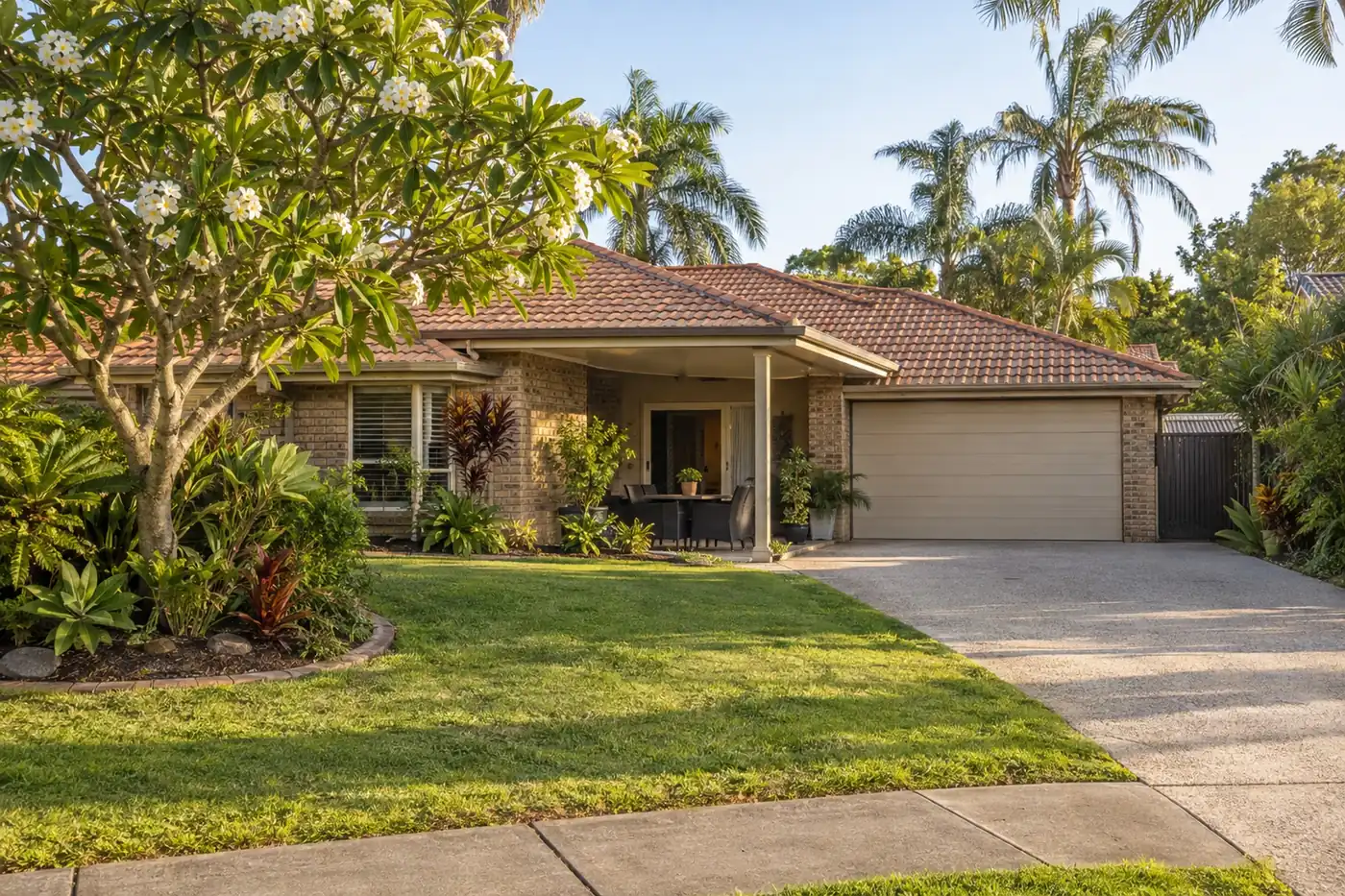
Pre-purchase building and pest inspection
If you have signed for a home on the range, this is the usual starting point. Ryan works through the house, the roof space, whatever subfloor he can reach and the yard, and records any termites, borers or fungal decay in the timber. Retaining walls, decks and site drainage get the same attention as the kitchen and bathrooms, and everything lands in one combined report with photos.
Best for: Buyers working to a building and pest due date
Pre-sale inspection
For Montville owners getting ready to list. A pre-sale inspection shows you what a buyer's inspector is likely to raise, such as a soft deck board, a tired stump or a damp corner of the subfloor. You can then fix items, collect quotes or set the price with those facts already in hand.
Best for: Owners preparing to sell
Building defect inspection
For owners who have noticed sticking doors, cracked plaster or water pooling against the house after rain. Ryan looks at the visible signs, considers how the slope and the drainage may be involved, and tells you which trade or engineer should look at the problem next.
Best for: Sticking doors, cracked plaster or pooling water
Handover inspection
Use this one when a new home or extension on the range reaches practical completion. Ryan checks wet areas, deck balustrades, falls on paths and drains, and the quality of finishes, then gives you a written defect list for the builder before you sign off.
Best for: New builds and extensions on sloping sites

Building Biology Review add-on
For households in a cool hillside home who notice damp smells, condensation or mould on ceilings. This visual review looks at moisture, mould, indoor air, water and EMF, and it can sit alongside a building and pest inspection in Montville. If mould sampling is needed, samples go to a NATA-accredited lab.
Best for: Damp rooms and indoor air concerns
Not sure which inspection you need? Call Ryan 0401 527 667
Get a Free QuoteLiving on the Blackall Range
A resort village on the range
Montville covers 17.6 square kilometres on the Blackall Range, about 16.6 km southwest of Nambour. The town area sits at roughly 400 metres, and the northwest of the locality falls within Kondalilla National Park. Most of the land is rural residential, with some grazing and cropping. The village ran on logging and farming before tourism took over from the 1970s.
Slopes, basalt soil and old timber
The Blackall Range is volcanic in origin and holds large areas of red basalt soil. On a falling block, rain heads downhill toward whatever is built below, so a blocked drain or a wall with no working drainage can let it reach footings and subfloors. Older timber homes add stumps, bearers and joists that can suffer from decay, borers or termites as the years pass.
Why this matters to buyers here
Half of the occupied homes in Montville were owned outright in 2021, and the median age was 56. Many buyers plan to stay for a long time. A building and pest inspection in Montville gives them a clear list of what a re-stump, a new wall or drainage work could involve before they commit.
How Ryan works through a range property
Ryan starts a building and pest inspection in Montville outside, reading the fall of the land, the gutters and the retaining walls. Inside, he checks walls, ceilings, floors and wet areas. He then moves to the roof void and the subfloor for the termite inspection, looking for entry points, mud leads, past damage and signs of earlier treatments or barriers.
Sources: ABS 2021 Census QuickStats: MontvilleWikipedia: Montville, QueenslandWikipedia: Blackall Range
Problems Ryan looks for in Montville homes
Range properties tend to raise the same handful of issues, and a building and pest inspection in Montville looks at each one. Knowing what you face before settlement makes planning repairs much simpler.
Retaining walls holding back wet fill
Site
- Cause
- Rain soaks the fill behind a wall, and when the drainage behind it is blocked or was never installed, that water has nowhere to go.
- Why it matters
- A leaning wall above or below a house can affect paths, driveways and the building itself, and rebuilding one on a slope is a large job.
- Our solution
- Ryan records the leaning, cracking and drainage faults he can see, and notes when a structural engineer should assess the wall.
- Prevention / next step
- Keep weep holes open and point downpipes away from the back of walls.
Signs to watch for:
- Wall leaning or bulging
- Wet soil along the base
- Cracked blocks or rotting sleepers
Decay and termites in old stumps
Timber pests
- Cause
- Timber stumps and bearers in older homes sit close to damp ground, and poor subfloor ventilation keeps them wet for long periods.
- Why it matters
- Decay, borers or termite damage under the floor can change how the floors sit and what a re-stump might cost.
- Our solution
- During a building and pest inspection in Montville, Ryan checks the accessible subfloor and records termite activity, past damage, decay and the conditions that invite them.
- Prevention / next step
- Keep soil, stored timber and garden beds away from stumps, and keep vents clear.
Signs to watch for:
- Floors that slope or bounce
- Mud tubes on stumps
- Soft or crumbling timber
Damp on the uphill wall
Moisture
- Cause
- Where a house is cut into the slope, ground water and run-off can press against the uphill wall or the edge of the slab.
- Why it matters
- Ongoing damp can lead to mould, swollen joinery and rot in wall framing that stays hidden behind the linings.
- Our solution
- Ryan scans walls and ceilings with a FLIR E6 Pro thermal imaging camera and confirms suspect spots with a Tramex MEX5 moisture meter.
- Prevention / next step
- Keep drains on the high side clear and keep garden beds off the walls.
Signs to watch for:
- Musty smell in one room
- Bubbling paint low on walls
- Damp skirting boards
Gutters choked by leaf litter
Roof
- Cause
- Leaves and debris from trees around rural blocks fill gutters and valleys, and old flashings lift or rust as they age.
- Why it matters
- Overflowing gutters can push water into eaves, walls and the roof void, where it damages timber and ceiling linings.
- Our solution
- Ryan inspects the roof exterior where it is safe, the gutters and flashings, and the roof void for stains, leaks and termite entry points.
- Prevention / next step
- Clear gutters often and trim branches back from the roofline.
Signs to watch for:
- Water stains on ceilings
- Plants growing in gutters
- Rusted valley irons
Buying or selling? Get a quote 0401 527 667
Get a Free QuoteFrom Razorback to Montville
Non-Indigenous settlers first took up land here in 1887, when the area was known as Razorback. The Razorback Provisional School opened on 2 October 1896, and the name Montville, from ‘mont’ for mountain and ‘ville’ for village, became official on 30 November 1897. From about 1900 the town was a popular mountain resort. A post office was open by February 1910, a Methodist church followed in 1912 and St Mary's Anglican Church in 1914. Logging and farming carried the local economy until tourism boomed from the 1970s. The Montville Memorial Precinct on Main Street is heritage-listed.
Sources: Wikipedia: Montville, Queensland
Contact and service area
- Xpanded Concepts
Based in Minyama QLD - 0401 527 667
- info@xpandedconcepts.com
- 9am to 5pm, 7 days
On-site: Sunshine Coast · Brisbane · Gympie
Questions about inspecting homes in Montville
Can you inspect a Montville home on a steep or acreage block?
Yes. The building scope covers retaining walls, fencing, site drainage and run-off as well as the house. On acreage, Ryan looks over the grounds near the home for termite entry points and conducive conditions such as wood-to-soil contact. If there are extra sheds or a second dwelling, mention them when you ask for a quote, because size and access affect the cost of a building and pest inspection in Montville.
Do you check the stumps under an older timber house?
Yes, as long as Ryan can get under the house safely. Ryan looks at stumps, bearers and joists and records decay, borers, termite damage and signs of earlier re-stumping or packing. Footings are checked visually, so he won't dig around them, but he will explain what the visible signs suggest about their condition and whether a builder should look further.
Does the inspection cover asbestos in an older home?
No. Ryan doesn't identify asbestos when he inspects a home. If the home was built before 1990 and you plan to renovate, a licensed asbestos assessor can tell you what materials are present before any work starts. Ryan will still report on the visible condition of the roof, eaves, wall sheeting and wet areas as part of the building scope.
How soon will I have the report?
Reports for a building and pest inspection in Montville are delivered within 24 hours, with photos of each finding. Ryan then rings to go through what he found, with time for questions about drainage, retaining walls or anything else on the block that worries you. That call is part of the service and doesn't cost extra.
What happens if live termites turn up?
Ryan doesn't treat pests. If he finds live termites, he records where they are and the damage he can see, and he'll suggest you get a licensed pest manager to advise on treatment. For ongoing protection, QBCC's guidance is a yearly inspection and report by a licensed pest controller, or more frequent checks in high hazard areas, so put a termite inspection on the calendar once you own the home.
Hinterland and coastal suburbs near Montville
Ryan also carries out building and pest inspections in Montville's neighbouring towns on the range and down toward the coast. If you are comparing a building and pest inspection in Montville with a home in another suburb, choose it below.