
Signs of termites in your house: what to look for and what to do
Summary
The main signs of termites are mud tubes on walls, piers or slab edges, timber that sounds hollow or papery when you tap it, discarded wings near windows and lights, cracked or bubbling paint, sagging floors or doors, and fine, sand-like droppings called frass. If you've found one of these, leave it exactly as it is and get it inspected. The Queensland Building and Construction Commission (QBCC) says termites are a problem for homeowners throughout Queensland, so a find on the Sunshine Coast is worth taking seriously.
I'm Ryan Mair, a building biologist with over 28 years in the building industry. My business, Xpanded Concepts, holds QBCC licence 15463341, and I hold pest management technician licence PMT013052324, which includes timber pests. I don't sell or carry out termite treatment, so this guide sticks to what to look for, where to look and what to do next.
On this page
The signs of termites, inside and outside the house
Mud tubes are a common sign. The QBCC describes them as mud shelter tubes that termites build for protection, found next to architraves or skirting boards, under buildings, on brick foundations and on external walls at ground level. A 2013 Queensland Government fact sheet (then the Department of Agriculture, Fisheries and Forestry) explains that termites inside a building usually keep contact with the soil for moisture, building galleries over piers or walls to reach the structure from below.
Other signs on the QBCC's list include sagging floors, doors or ceilings; damaged skirting boards, door jambs or architraves; cracked or blistered paint or plaster; discarded wings near windows, in spider webs or in light fittings; timber that sounds hollow when tapped; and dry, sand-like pellets (frass) coming out of tunnel openings.
The same fact sheet adds a few that are easy to miss. Mud can be plastered along joints and cracks in timber. Painted timber, or timber walls with termites working behind them, can bulge, stain or ripple. In a brick veneer house, termites in the wall cavity can leave a stained patch of plaster. Damaged wood often sounds papery when lightly tapped.
| Sign | What you see | Where to check |
|---|---|---|
| Mud tubes | Enclosed mud tunnels, or mud plastered along joints and cracks | Slab edges, brick foundations, piers and stumps, beside skirting boards and architraves |
| Hollow or papery timber | A dull, hollow or papery sound when you tap the timber | Skirting boards, architraves, door and window frames |
| Discarded wings | Loose wings left behind by winged termites | Near windows, in spider webs, in light fittings |
| Paint and lining changes | Blistered or bubbled paint, rippled or bulging linings, stained plaster on brick veneer | Skirtings, architraves, wall linings |
| Frass | Dry, sand-like pellets coming out of tunnel openings | Below timber with small openings |
| Movement | Sagging floors, doors or ceilings | Floors, door frames, ceilings |
Scroll sideways to see the whole table
Termites or ants: how to tell them apart
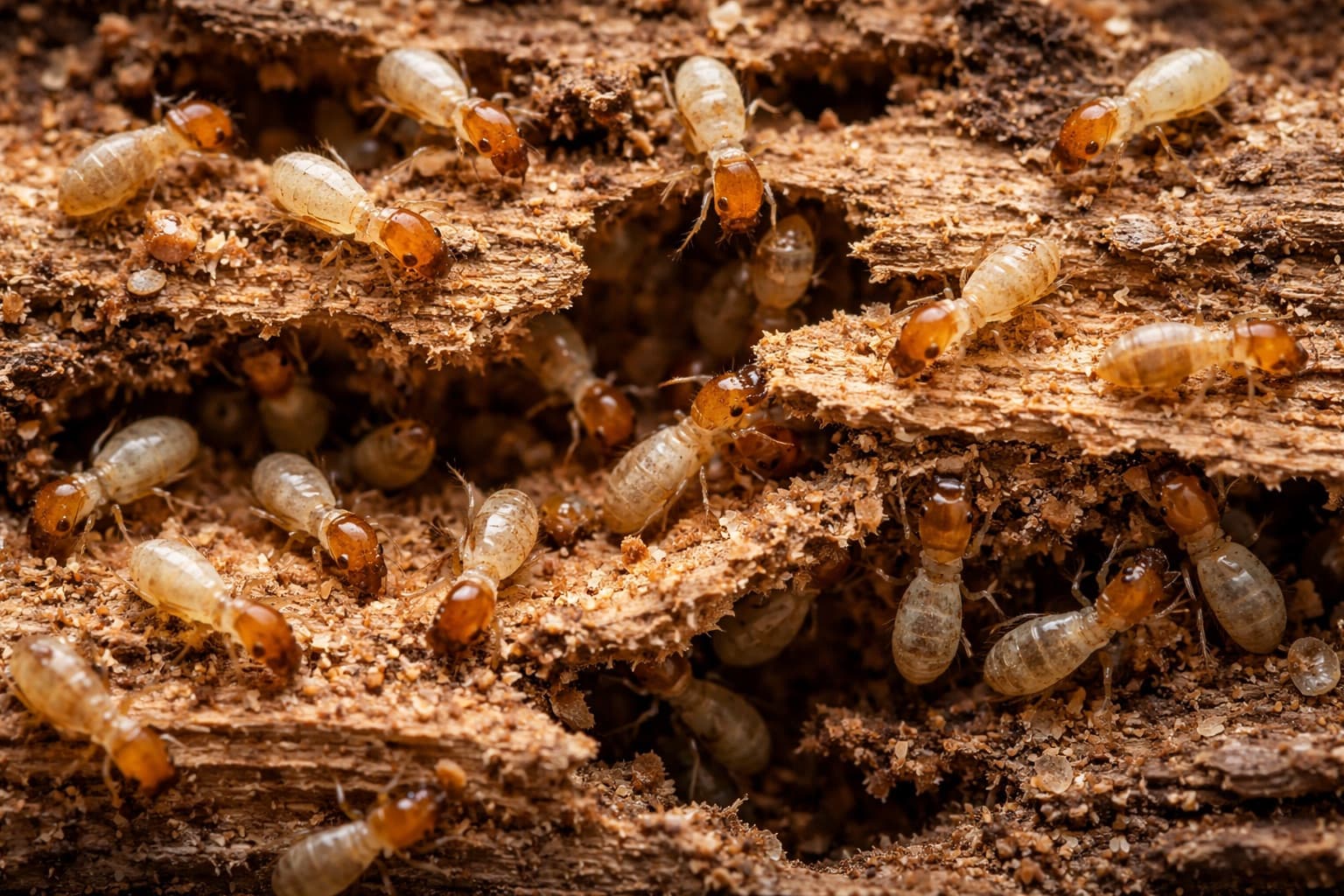
Termites are sometimes called white ants, but the Australian Museum says they belong to a completely different insect group from true ants. Look at the body shape. The museum describes a termite as having no waist between the thorax and abdomen, antennae made of bead-like segments and, in the winged forms, two pairs of equal-sized wings. Termites are pale brown to white, with a darker head. If the insect you've found doesn't match that description, it may not be a termite, but leave it for the inspector to confirm.
Pinning down the species is a specialist job. The 2013 fact sheet recommends collecting soldier termites during an inspection and sending them to a specialist for identification, and says the species involved may affect the choice of treatment, which is one more reason to leave live termites where they are for the person who will treat them.
Slab-on-ground homes: check the slab edge and keep weep holes clear
On a slab home, the slab edge is the first place to look. The 2013 fact sheet says termites are more likely to go unnoticed in slab-on-ground homes than in homes with suspended floors, and that they can get in at the slab edge, through cracks and joints in the concrete, or around service pipes. It recommends keeping the vertical face of the slab edge exposed for at least 75 mm, unless other barriers are installed, because an exposed edge lets you spot termite entry.
Garden beds are where this goes wrong. Built-up gardens and shrubs against the house can create or hide termite entry points, particularly on slab homes, according to the same fact sheet. The QBCC warns that building paths, garden beds, patios and pergolas, landscaping and laying turf can make a termite system less effective and make termite entry harder to see. On a brick home, the Queensland Government advises keeping the weep holes between the bricks and the slab open so moisture can get out. A garden bed or bark heaped over the weep holes and the slab edge covers the very places you need to see.
Highset and stump homes: check the subfloor
If your home is highset or sits on stumps, start under the house. The 2013 fact sheet says termite infestation usually starts from below the building, and that poorly ventilated, poorly lit subfloors make a successful infestation more likely. It recommends at least 400 mm of clearance between the finished ground level and any structural part of the subfloor.
Look at each pier and stump for mud tubes running up from the soil, and at the termite shields (caps) on top of them. The same fact sheet notes that termite shields, stainless steel mesh and graded stone barriers can be bridged or breached, so a mud tube built around a shield still counts as a find.
Storage is the other problem. Materials stored under a house can give termites a path around barriers, cut ventilation and stop an inspector seeing parts of the subfloor. The Queensland Government notes that mud trails are more likely in moist areas against the building and in storage areas under it.
Wet areas and leaks: moisture is what draws termites in
Moisture is where termite risk overlaps with my building biology work. The Australian Museum says subterranean termites get most of their water from the soil and can only become pests in buildings where a constant water source is available. It names indoor plants on pavers and leaking pipes or roofs as major causes. The 2013 fact sheet lists bathrooms, laundries and places with leaky pipes or drains as likely places of infestation, and notes that termites can occasionally set up a nest inside a building with no soil contact at all where there is permanent moisture and food, such as around leaking plumbing.
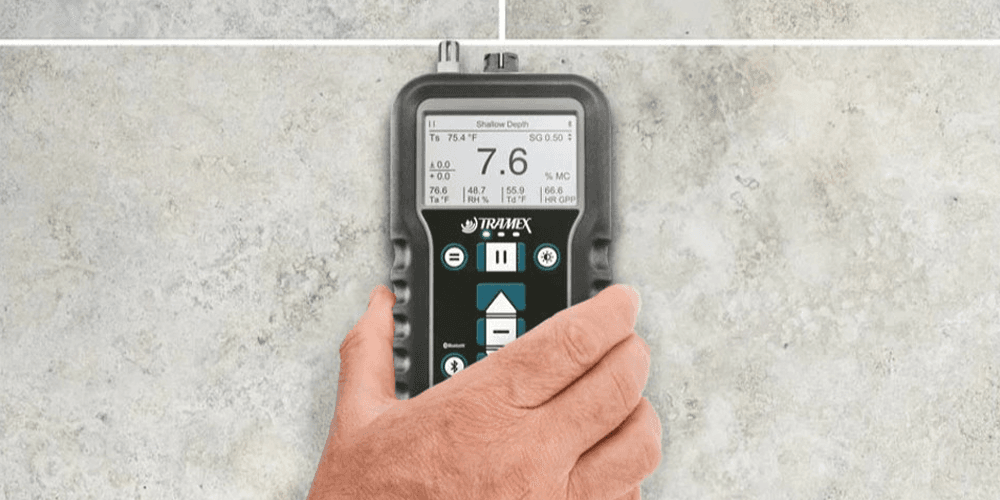
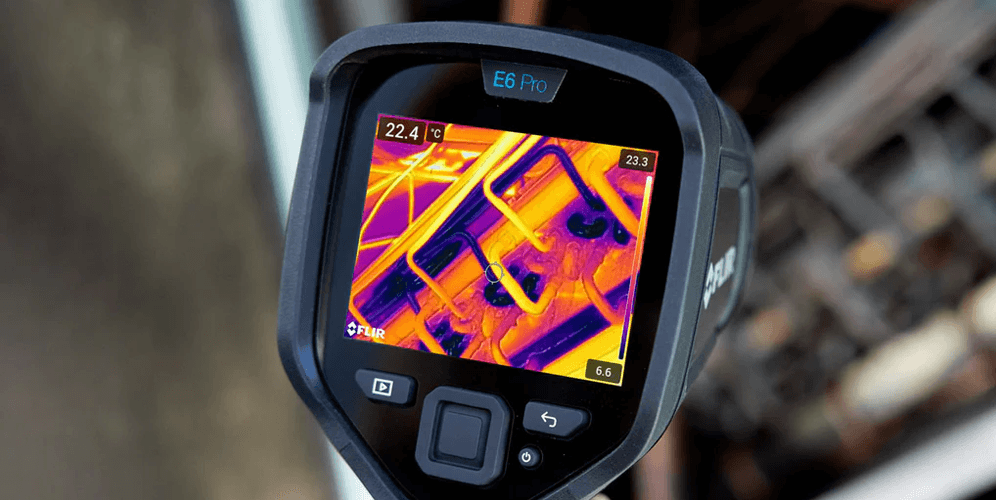
When I inspect a home, I check moisture with a Tramex MEX5 meter and do a full thermal scan of the home with a FLIR E6 Pro camera to find damp areas worth a closer look. A damp wall or a long-running leak is also a question for my mould testing work, so it is worth raising both at once.
What not to do: don't spray, break or repair anything yet
Leave termites, their mud tubes and the damaged timber exactly as you found them. Queensland Government advice is not to disturb any nests, mud tunnels, paths or trails, and the 2013 fact sheet says active termite workings should be left alone until the management approach has been decided. Premature attempts to repair or replace infested timber can make the termites withdraw from the area for a while and hinder effective treatment.
A do-not-disturb sequence for most finds:
- Stop. Don't spray, scrape off the mud or pull off the damaged skirting board.
- Take photos and note exactly where the activity is, so the inspector can find it again.
- Find your termite management notice, if your home has one, usually in the electrical meter box. The QBCC says it records the termite protection method, the installation date and how often inspections are recommended.
- Book an inspection with a holder of a QBCC termite management contractor licence. That is who the QBCC says to call if you suspect termites.
Who to call: who inspects for termites, who treats, and where I fit
Termites are a job for a licence holder. The QBCC says homeowners who suspect termites should get an expert with a QBCC termite management contractor licence to inspect. The 2013 fact sheet notes that no single treatment works in every situation; the choice depends on factors such as the termite species, the soil type, the slope of the site and the building design.
I inspect only. I don't install barriers or apply chemicals, so there is no treatment for me to sell you. My business is licensed for completed residential building inspection, and as a building biologist I look at the moisture that draws termites in. If you already own the home, call me and we can work out which inspection fits what you've found.
Prevention: an inspection every year and fewer conducive conditions
The QBCC advises having a licensed pest controller inspect and report on your property every year, or more often in high hazard areas, and checking for termite activity yourself in between. The 2013 fact sheet suggests owner checks every three to four months. If your home has a chemical barrier, the QBCC notes you also need to meet its maintenance requirement, such as yearly top-ups, as stated on the termite management notice.
Most prevention comes down to moisture and timber touching the ground:
- Fix leaking pipes, taps and hose taps, and clear water pooling in gutters (QBCC, Queensland Government).
- Keep garden beds, shrubs, trees and bark away from the walls and off the weep holes (Queensland Government).
- Don't stack loose timber or firewood against or under the house, and remove old tree stumps from the yard (Queensland Government, 2013 fact sheet).
- Remove wood in contact with the ground near the house (QBCC).
- Before adding a path, patio, pergola, garden bed or turf beside the house, check how it affects your termite system, because the QBCC says this work can make the system less effective and hide termite entry.
Buying a home: termites and the pre-purchase inspection
If you're buying, ask the seller for the termite management notice, if the home has one, and for any record of past termite treatment. The QBCC says the notice records the termite protection method, the installation date and how often inspections are recommended. For the termite inspection itself, use a holder of a QBCC termite management contractor licence, the expert the QBCC tells homeowners to call, and ask which licence covers the report before you book.
My business's pre-purchase building reports comply with AS 4349.1-2007. If the building report or your own look around turns up damp subfloors, leaks or wet areas, raise them with the termite inspector too, because moisture is what draws termites in. For local detail, see pre-purchase inspections on the Sunshine Coast, in Caloundra, in Maroochydore and in Mooloolaba, or the pre-purchase inspection page.
Frequently asked questions
How often should a Queensland home have a termite inspection?
Every year, according to the QBCC, which advises having a licensed pest controller inspect and report on your property annually, or more often in high hazard areas. If your home has a termite management notice, usually in the electrical meter box, check it too, because it states how often the installer or manufacturer recommends inspections. Between professional inspections, a 2013 Queensland Government fact sheet suggests owners check the house themselves every three to four months, paying attention to slab edges, subfloors and wet areas.
Should I spray termites if I find them?
No. Queensland Government advice is not to disturb termites, their nests, mud tunnels or trails, and to leave active workings alone until a management approach has been decided. Repairing or replacing the damaged timber too early can make the termites withdraw from the area for a while and hinder effective treatment. Take photos, leave everything in place and book an inspection with a holder of a QBCC termite management contractor licence.
What do termite mud tubes look like?
Termite mud tubes are enclosed tunnels of mud that termites build so they can travel above ground under cover. The QBCC says they show up next to architraves and skirting boards, under buildings, on brick foundations and on external walls at ground level. You may also see mud plastered along joints and cracks in timber. Around a Sunshine Coast home, check slab edges, piers, stumps and the areas behind garden beds, where tubes are easy to miss.
Are flying termites in the house a sign of an infestation?
Not on their own. Winged termites are the colony's reproductives, which leave the nest on a colonising flight to start new colonies. A 2013 Queensland Government fact sheet says that in most cases winged termites getting into a building do not start a colony there, because they need moist, partly decayed timber. Discarded wings near windows or lights are still worth noting, since the QBCC lists them as a sign of potential infestation. Check nearby for damp areas and mud tubes.
When are termites most active on the Sunshine Coast?
Termite flights happen in warm, humid weather. The Australian Museum says colonising flights usually take place in spring and autumn. The QBCC links increased termite activity to heavy rain and flooding, and has urged Queensland homeowners to check for termites during the summer storm season. On the Sunshine Coast, that makes spring through autumn, and especially the weeks after heavy rain, sensible times to check.
Who should inspect a house for termites in Queensland?
A holder of a QBCC termite management contractor licence. The QBCC says homeowners who suspect termites should get an expert with that licence to inspect, and it advises having a licensed pest controller inspect and report on the property every year, or more often in high hazard areas. If you're buying, ask which licence covers the termite report before you book. Between inspections, check slab edges, subfloors and wet areas yourself and leave any find undisturbed.
Sources
Each source was checked on the date shown.
- Protect against termites
- Weather events present perfect swarm for termite invasions
- Subterranean termite infestation in buildings (fact sheet, October 2013)
- Termites (tenant advice)