
Pre-settlement inspection checklist: what to check before you settle in Queensland
Summary
A pre-settlement inspection is your last look at the home before the money changes hands. The Queensland Government advises buyers to inspect a few days before settlement and check that the home is still in the same condition as when they signed the contract, paying particular attention to anything the contract specifically includes. I'm Ryan Mair, a QBCC licensed builder and building inspector (Xpanded Concepts licence 15463341) based on the Sunshine Coast. This checklist separates what you can confirm yourself on the day from the defects that belong in a building report, adds the storm and coastal items I'd look at on a Sunshine Coast home, and sets out what to do if something has changed. It is general information, not legal advice. Your conveyancer or solicitor is the person who reads your contract.
On this page
What a pre-settlement inspection checks: the home against your contract
A pre-settlement inspection compares the home with two things: its condition on the day you signed, and the list of inclusions and agreed work in your contract. The Queensland Government frames it the same way: the same condition as when you signed, and anything you specifically included in the contract. A pre-purchase building inspection does a different job. The Queensland Building and Construction Commission (QBCC) says that in a pre-purchase building inspection, the inspector looks at the house to see if there are any obvious defects or areas of concern. My pre-purchase reports comply with AS 4349.1-2007 and AS 4349.3-2010, and that work happens before your building and pest condition date. By settlement, that condition is normally behind you, so the final walk-through is about change: new damage, missing inclusions, agreed repairs that were or weren't done, and anything left behind. The QBCC also notes that a pre-purchase building inspection is not a warranty against future defects, which is one more reason to look carefully at what has happened since.
Your right to inspect under a standard Queensland contract: one pre-settlement entry, with notice
Many Queensland homes sell on the REIQ Contract for the Sale and Purchase of Residential Real Estate, First Edition (form EF001A 08/25), a form the REIQ and the Queensland Law Society describe as suitable for residential sales in Queensland. In that edition, clause 8.2 lets the buyer and its consultants enter the property once to inspect it before settlement, after giving the seller reasonable notice. The same clause allows a separate entry once to carry out an inspection for smoke alarms, as well as entries to read meters and to value the property. Clause numbers and wording can change between editions, and special conditions can change them again, so ask your conveyancer what the contract you signed allows. Two other points in the First Edition shape the day. Clause 8.1 puts the property at the buyer's risk from 5pm on the first business day after the contract date, well before settlement. That is why your insurance should be in place from that point. Clause 8.3 also requires the seller to use the property reasonably until settlement. You get one pre-settlement inspection entry, so make the walk-through count: take your contract, the inclusions list and your building and pest report. If you want a separate look at the smoke alarms, ask your conveyancer about the smoke alarm entry.
When to book it: 2 to 3 days out, with time left to act
The Queensland Government suggests inspecting 2 to 3 days before settlement. That timing does two jobs. It is late enough that you see the home close to how you will receive it, often with furniture gone from floors and walls that were hidden at the open home, and early enough that your conveyancer has working days to raise a problem before settlement. Ask your agent to book it once you have a confirmed settlement date, and give the seller the notice your contract requires. Allow enough time to run every tap, switch every light and open every window; rushing a walk-through in ten minutes between appointments defeats the purpose. Go in daylight if you can, and if rain is forecast in the days before, try to go after it, because a wet day tells you more about gutters, downpipes and ceilings than a dry one. The Queensland Government also says to ask your solicitor whether all the other conditions of the contract have been met before settlement day.
The checklist, room by room
Work through the table below with your contract open beside you. Tick each line, photograph anything that has changed, and note anything you couldn't see because furniture or stored items were in the way. The electrical checks stop at switches and appliances: leave the switchboard, covers and fittings closed, and leave anything beyond that to a licensed electrician. That matches my own building inspections, where the electrical check is an on/off test of electrical appliances only. For smoke alarms, the Queensland Government says all existing private homes, townhouses and units require interconnected photoelectric smoke alarms by 1 January 2027, and that interconnected means when one goes off, they all go off. Pressing the test button on one alarm and listening for the others is a fair owner check. In the First Edition contract, clause 7.9 requires the seller to install compliant smoke alarms by the settlement date, but nothing in that clause requires the seller to give you evidence of compliance, so test the alarms yourself.
| Area | What to check on the day |
|---|---|
| Inclusions and appliances | Every item listed as an inclusion is there and is the same item: oven, cooktop, rangehood, dishwasher, air conditioners and remotes, ceiling fans, light fittings, blinds and curtains. Turn each appliance on and off. |
| Water and plumbing | Run every tap hot and cold, flush every toilet, and look under sinks and vanities for fresh drips or swollen cabinet bases. Check hot water arrives at the kitchen and bathroom. |
| Power and lights | Switch every light and fan. Try a phone charger in power points you can reach. Leave the switchboard and any covers closed; electrical work is for a licensed electrician. |
| Smoke alarms | Alarms are present and match what the contract's smoke alarm section says. Press the test button on one and listen for the others to sound. |
| Doors, windows and keys | Open, close and lock every door and window, including screens and the garage door. Collect or confirm keys, remotes, the garage remote and the mailbox key. |
| Walls, ceilings and floors | New marks, holes or dents from removalists, fresh patches of paint, new stains on ceilings, and lifted or swollen flooring near wet areas and external doors. |
| Wet areas | Shower, bath, laundry and toilets: new stains, loose or cracked tiles, failed silicone, and a damp or musty smell. |
| Outside and grounds | Gutters, downpipes, fences and gates; outdoor inclusions such as shade sails, clotheslines and sheds; rubbish, old paint tins or vehicles left behind. |
| Agreed repairs | Each repair the contract required is done. Look at the work itself and ask your conveyancer for any paperwork the contract requires. |
Checks a builder would add: signs that something has been covered up or has started since contract
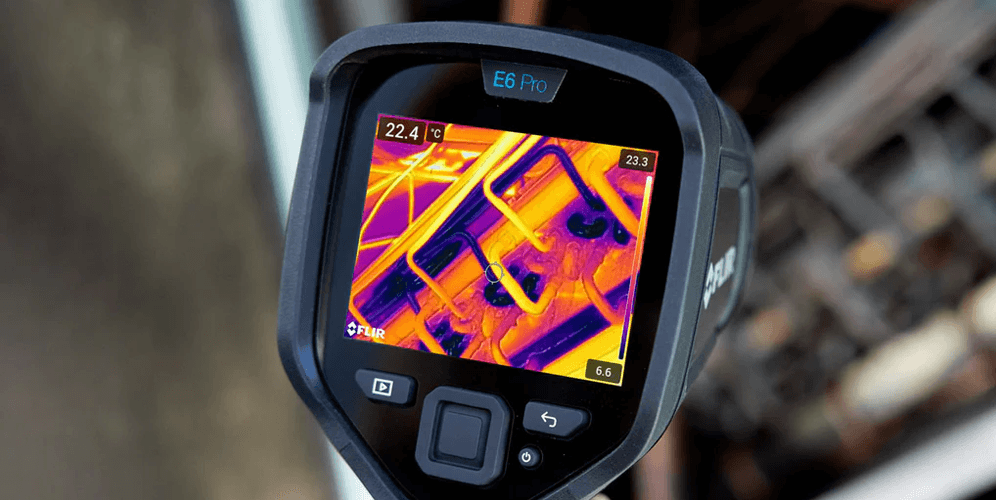
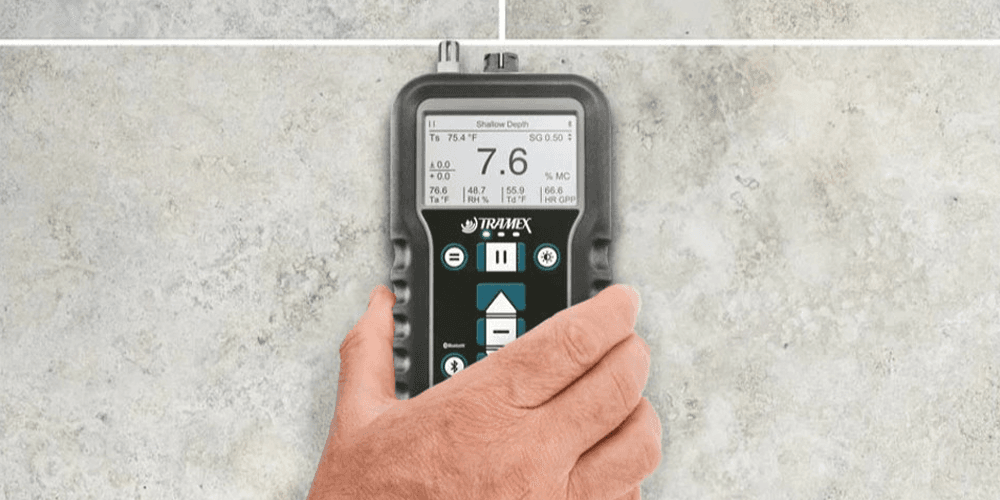
Most checklists stop at whether things work. A builder also looks for evidence. On a building inspection I use a FLIR E6 Pro thermal camera and a Tramex MEX5 moisture meter; on your walk-through you have your eyes, your nose and your report photos, and that is enough for these checks. Look up at ceilings under bathrooms, around the roof edge and near the hot water system for new stains or a tide mark. A single freshly painted patch on an otherwise older ceiling or wall is worth asking about, because paint can cover a stain or a crack. Check floors near showers, the laundry and external doors for boards or laminate that have lifted or swollen. Notice a damp or musty smell in a room that has been closed up. Compare any cracks with the photos in your building and pest report, and note doors that now stick or won't latch when they opened freely before. None of these proves a defect. Each one is a question for your conveyancer to put to the seller.
Coastal and storm checks for Sunshine Coast homes
A settlement can follow heavy rain or a storm, so walk the outside of the house as carefully as the inside. From the ground, look for gutters that are sagging or overflowing, downpipes that have come apart at the joints, and water ponding against the slab or under the house. Look for roof sheets or tiles that are visibly out of line, branches on the roof or across fences, and fences or gates that have shifted. Check outdoor items listed as inclusions, such as shade sails, clotheslines and garden sheds, are still there and intact. On homes close to the beach, compare outdoor taps, balustrade fixings, gate hardware and the garage door with your report photos for rust or damage that wasn't there before. Stay off the roof and ladders; a photo from the ground is all your conveyancer needs. If a home with a pool is part of the sale, the QBCC tells buyers to get a safety certificate if the home has a pool, so confirm with your conveyancer where that stands.
If something is wrong: photograph it, then call your conveyancer the same day
The order matters, because settlement is days away. First, photograph and film the problem, with a wide shot that shows where it is and a close-up that shows what it is. Second, check it against your paperwork: is it a missing inclusion, new damage since the contract date, agreed work that wasn't done, or something your building and pest report already recorded? Third, call your conveyancer or solicitor the same day and send the photos. They deal with the seller's side and will tell you what your contract allows; leave the negotiating to them rather than agreeing to anything with the agent on the spot. Fourth, if smoke alarms are missing or don't interconnect, say so before settlement. Under clause 7.9 of the First Edition, a buyer whose seller has not complied is entitled to an adjustment at settlement of 0.15% of the purchase price, but only if claimed in writing on or before settlement. Fifth, if the damage is serious, read the next section with your conveyancer.
Serious storm or fire damage before settlement: section 77 of the Property Law Act 2023
Queensland law gives buyers a specific protection when a home is badly damaged before settlement. Under section 77 of the Property Law Act 2023, if the dwelling is so damaged or destroyed before settlement, or before you take possession, that it is unfit for occupation as a residential dwelling, the buyer may rescind the contract by giving notice to the seller. On rescission, any amount the buyer paid under the contract must be refunded. The right ends if the seller first restores the dwelling to the condition it was in immediately before the damage; the seller must then notify the buyer, and the buyer may inspect the dwelling after giving the seller reasonable notice. Section 77 applies despite any agreement to the contrary. Damage that falls short of making a home unfit to live in is a matter for your contract, your conveyancer and, because risk usually passes long before settlement, your insurer. This is a summary of the law for general information, not advice on your contract.
Where your building and pest report fits on the day
Your building and pest report is the baseline for the walk-through. Take it with you, because its photos show what the walls, ceilings, wet areas and outside of the home looked like before the contract went unconditional. If the seller agreed in the contract to fix something the report found, that repair is one of the things the Queensland Government says to check: anything you specifically included in your contract. Look at the repair itself, not only the receipt. Anything the report flagged that you decided to accept will still be there, so don't mistake it for new damage, and anything new is worth photographing beside the report photo of the same spot. If I did your building and pest inspection, I offer support before, during and after the inspection, so call me on 0401 527 667 if something you see on the walk-through looks related to my report. If you need a re-inspection before settlement, I can do one at an extra cost. Under clause 8.2 the buyer and its consultants share one pre-settlement inspection entry, so plan the visit with your conveyancer and agent. If you haven't signed yet, start with a pre-purchase building and pest inspection on the Sunshine Coast; I work on site across the Sunshine Coast, Brisbane and Gympie, and buyers looking around Maroochydore can start with building and pest inspections in Maroochydore.
Frequently asked questions
Is a pre-settlement inspection the same as a building and pest inspection?
No. A pre-settlement inspection is your own walk-through a few days before settlement to check the home is in the same condition as when you signed and that the inclusions are there. A building and pest inspection is a licensed inspector's report on defects and timber pests, done before your contract's inspection condition date. The QBCC describes it as looking for obvious defects or areas of concern. Take that report to the walk-through so you can compare.
How many pre-settlement inspections am I allowed in Queensland?
Under the First Edition of the REIQ Contract for the Sale and Purchase of Residential Real Estate, clause 8.2 allows the buyer and its consultants to enter once to inspect the property before settlement, after reasonable notice to the seller. The same clause allows a separate entry once to inspect the smoke alarms. Other editions and special conditions can differ, so ask your conveyancer what your contract says. Because you get one pre-settlement inspection entry, book it 2 to 3 days before settlement, as the Queensland Government suggests, and check everything on the list in that visit.
Does the house have to be empty for the final inspection?
Not necessarily. Clause 5.7 of the First Edition REIQ residential contract requires the seller to give vacant possession on the settlement date, except for any listed tenancies, and your inspection usually happens a few days earlier. Furniture or boxes may still be there. Check everything you can reach, write down and photograph the areas you couldn't see, and tell your conveyancer before settlement so they can raise it with the seller.
What should I bring to a pre-settlement inspection?
Bring a copy of the contract with the inclusions list and any special conditions, your building and pest report, and your phone with the camera charged. A phone charger is handy for testing power points. Add a torch for cupboards, the garage and under the house. If the contract required repairs, bring the details so you can look at the work itself. Leave tools at home: this is a look-and-test visit, and electrical work is for a licensed electrician.
What if a storm damages the house before settlement on the Sunshine Coast?
Photograph the damage and call your conveyancer and your insurer the same day. Under clause 8.1 of the First Edition REIQ residential contract, the property is at the buyer's risk from 5pm on the first business day after the contract date, so your insurance matters. If the damage makes the home unfit to live in, section 77 of the Property Law Act 2023 lets the buyer rescind by notice before settlement, unless the seller restores the home first. Your conveyancer will advise on your contract.
Can I bring someone with me to the final inspection?
Partly. Clause 8.2 of the First Edition REIQ residential contract lets the buyer and its consultants enter the property once before settlement after reasonable notice to the seller. That covers everyone named as a buyer on the contract and your consultants, such as a builder or inspector. For anyone else, such as a family member, ask the agent when you book, and tell the agent who is attending. If you want a builder or inspector to attend, ask what they offer first, because a walk-through is a different job from a pre-purchase report. If I did your building and pest inspection, I can re-inspect before settlement at an extra cost.
Sources
Each source was checked on the date shown.
- Inspections (pre-settlement inspection), Queensland Government
- Contract for the Sale and Purchase of Residential Real Estate, First Edition (EF001A 08/25), The Real Estate Institute of Queensland and Queensland Law Society (copy published by Isaac Regional Council)
- Property Law Act 2023 (Qld), section 77, current as at 28 April 2026
- Before you buy and sell, Queensland Building and Construction Commission