





Bridging the Gap between Building Science & Wellness

Building Biologist Sunshine Coast

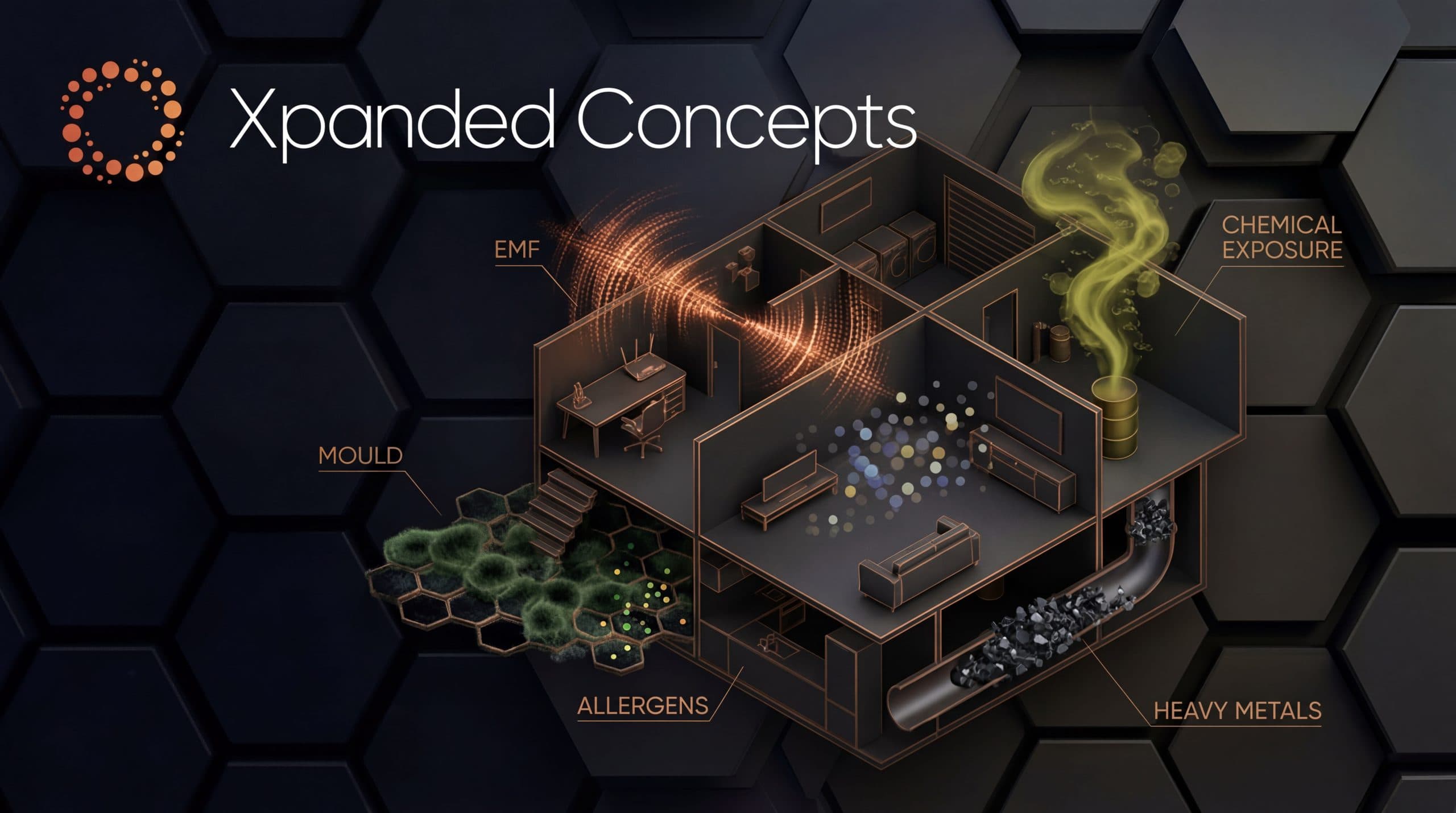
Our work sits at the intersection of building science, environmental health, and human biology.

Xpanded Concepts is led by a Building Biologist | QBCC Licensed Builder | Building & Pest Inspector

On-site Service Locations - Sunshine Coast | Brisbane | Gympie

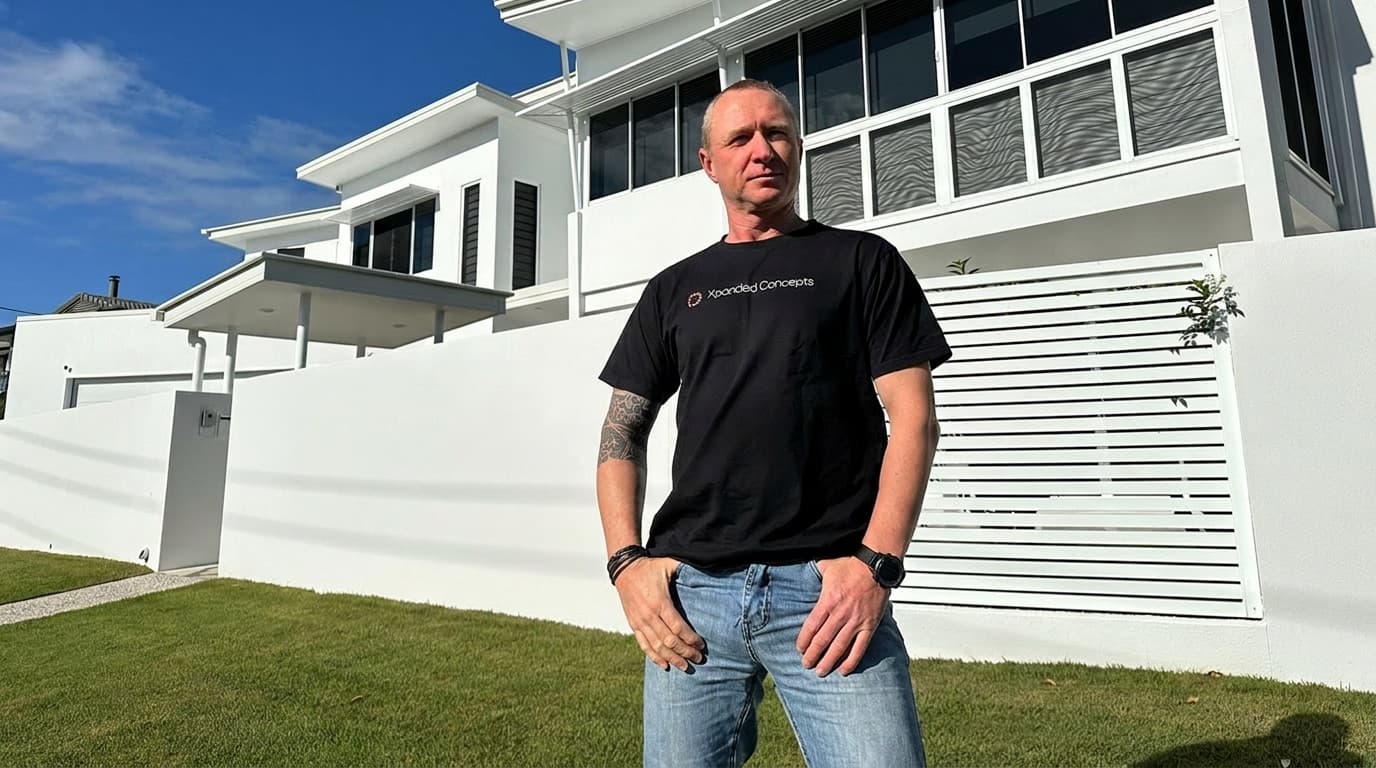
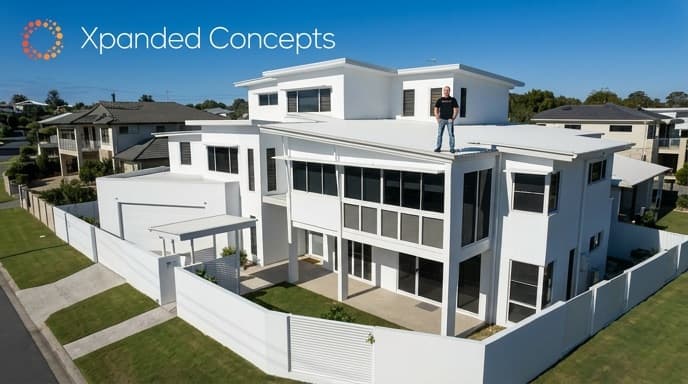
Xpanded Concepts inspector outside a modern two-storey Sunshine Coast style home
  • Building Biologist
  • QBCC Licensed Builder (Low Rise)
  • QBCC Licensed Building & Pest Inspector
  • Certified Mould Testing Technician
  • Certified EMF Testing Technician

A Hub For Creating Healthier Living Environments

Bringing an integrated & holistic perspective to the built environment. Xpanded Concepts was created with a broader vision than traditional inspections alone - To become a trusted healthy home hub where people can access practical guidance, environmental testing, education, product insights, and building knowledge designed to support healthier living environments

  1. Watch on YouTube (video 1 of 2, opens YouTube)
  2. Watch on YouTube (video 2 of 2, opens YouTube)

What is Building Biology?

Building biology is a health-focused approach to assessing how conditions within the built environment influences health & wellbeing. Our work is approached from both an investigative and proactive perspective.

On the investigative side, we provide environmental testing and building assessments designed to help identify hidden issues within the built environment.

On the proactive side, we are focused on prevention, optimisation, and long-term environmental health. This includes healthy home consultations, education, product research and reviews, and practical guidance designed to help people make more informed decisions about their homes and living environments.

Xpanded Concepts Services

Xpanded Concepts - Environmental Testing

On-site Service Locations - Sunshine Coast | Brisbane | Gympie

Australia-Wide Testing Options Available - Online Guidance | Equipment hire | Professional Report

Signs your home may be affecting your health

Many environmental stressors within the home are not immediately visible or easy to identify, which can make them difficult to recognise or directly link back to the property itself. Because of this, potential signs are often overlooked, normalised, or attributed to other factors.

Common signs that your home may be affecting your health include:

  • If you feel better away from the home than you do at the home
  • Your symptoms started when moving into the home
  • Your symptoms started after a weather event or renovation
  • Visible mould or Musty/damp smells within the home

Common symptoms that your home may be affecting your health include:

  • Recurring illness
  • Persistent fatigue or low energy levels
  • Headaches, brain fog, or difficulty concentrating
  • Poor sleep or waking feeling unrefreshed
  • Allergy-like symptoms such as sneezing, congestion, or irritated eyes
  • Worsening asthma or respiratory symptoms indoors

Do You Need Help Investigating The Problem?

Healthy Home Investigations - From $330

Building Biology Investigation

Sometimes you know something isn't right, but you're not sure where to start.

Perhaps you've noticed health symptoms that seem worse at home, persistent mould issues, poor sleep, unusual odours, excessive dust, or simply have concerns about the environment you're living in.

Our Building Biology Investigations are designed to assess the occupants, the home, and the conditions within it to identify potential contributing factors and provide clarity on the most appropriate next steps.

Drawing on both building biology principles and extensive building inspection experience, we investigate not only environmental exposures but also the building defects and performance issues that may be contributing to them.

Whether you're concerned about a single room, such as a bedroom, or the entire home, the goal is to uncover what may be impacting the indoor environment and help you prioritise where to focus your efforts.
What We May Investigate

  • Water damage and hidden leaks
  • EMF exposure sources
  • Chemical and VOC exposures
  • Dust and allergen accumulation
  • Building defects and moisture intrusion
  • Mould and microbial contamination
  • Excess humidity and condensation
  • Ventilation and indoor air quality issues
  • Sleep environment concerns
  • Water quality concerns
  • Building material-related exposures
  • General healthy home opportunities

Still Not Sure? Feel Free to reach out & we'll work out the most appropriate next step.

Australia Wide - Building Biology Based Environmental Testing

Through equipment hire, guided testing, and practical support, Building Biology can now be accessed from anywhere. You don't need a specialist on-site to begin understanding your home. This system is designed to give you the tools, guidance, and clarity to assess your environment, wherever you are.

How It Works

  1. Equipment Delivered to You

    We send the required testing equipment, along with step-by-step video guidance based on real Building Biology methodology.

  2. Professional Laboratory Analysis

    Where applicable, samples are sent to a NATA-accredited laboratory for accurate analysis.

  3. Clear, Actionable Reporting

    Raw data is translated into a clear, practical report, so you understand what the results mean and what to do next.

  4. Optional Follow-Up Support

    Online consultations are available if you need further guidance or help implementing recommendations.

Xpanded Concepts A Trusted Hub For Creating Healthier Homes

If you've landed here, you're likely interested in taking a more proactive approach toward your home and indoor environment. This is an area we're extremely passionate about. Beyond investigating existing problems, a major focus of Xpanded Concepts is helping people better understand how the built environment may influence long-term health, wellbeing, and overall quality of life. Through education, healthy home consultations, product research, building guidance, and practical environmental health strategies, the goal is to help people make more informed decisions and create healthier living environments over time.

With over 28 years of experience in the building industry, Ryan's approach focuses on helping clients better understand the relationship between their home, their environment and their health, while providing practical, evidence-informed recommendations tailored to their individual circumstances.

On-site Service Locations - Sunshine Coast | Brisbane | Gympie

Based in Minyama, available throughout the Sunshine Coast, Brisbane and Gympie regions.

Australia-Wide Testing Options Available - Online Guidance | Equipment hire | Professional Report

Online Consultations & Guidance

Got Questions? Need Advice?

Through a one-on-one Zoom consultation, we can discuss your specific concerns, questions, or goals relating to your home, building, or indoor environment.

Want Help Creating Your Healthy Home?

At Xpanded Concepts, creating healthier homes is more than just a service, it is something we are genuinely passionate about. A healthy home is not built around one single factor, but through a multi-faceted approach that considers how the home, the environment, and the people living within it all interact together.

Whether you are building, renovating, purchasing a home, trying to better understand a specific concern, or simply wanting to create a healthier indoor environment for your family, we offer practical guidance across a wide range of healthy home topics.

On-Site Healthy Home Consultations

Xpanded Concepts inspector on the roof of a modern two-storey home

Sunshine Coast | Brisbane | Gympie

Personalised consultations for homeowners wanting guidance on any aspect of building biology or healthy home creation, from building design, home optimisation, EMF, air quality, chemicals, lighting, and more.

Online Consultations

Online consultation graphic: a virtual session icon linked to scheduling and shared-file icons on dark hexagon tiles

Australia-wide

Australia-wide online zoom consultations providing practical guidance, education on any aspect of healthy homes - regardless of location.

The 4 Components That Impact The Home

Creating a healthier home is rarely about one single product, one test, or one quick fix. Indoor environments are shaped by multiple interconnected layers that all influence the overall health performance of a home. The environment surrounding the property, the way the building itself performs, the materials and products brought indoors, and the everyday habits of the occupants can all contribute positively or negatively to the indoor environment over time. Understanding these broader layers helps create a more practical, realistic, and long-term approach to building a healthier home.

1234
Layer 1 of 4 · The External Environment

A home does not exist in isolation. The surrounding environment can have a significant impact on the health performance of the indoor environment. Factors such as nearby traffic, industry, agricultural activity, moisture-prone land, poor drainage, air quality, noise, electromagnetic exposure, neighbouring properties, and the local microclimate can all influence what enters and affects the home internally.

One of the biggest challenges with the external environment is that many of these factors are difficult, and sometimes impossible to fully control once you already own the property. In many cases, the focus becomes management and mitigation rather than elimination.

This is why choosing the right property in the first place can be one of the most important healthy home decisions a person makes. Unfortunately, most people inspecting a property focus almost entirely on the house itself, while giving very little consideration to the surrounding environment and how it may affect long-term health, comfort, and liveability.

Part of my role is helping clients identify environmental factors that are often overlooked during conventional property inspections.

Pre-Purchase Inspections

Healthy Home Optimisation

Healthy Home Optimisation is a way of thinking about the environments we live in.

Most people understand that their health is influenced by factors such as nutrition, exercise, sleep, stress, and lifestyle. We often spend significant time and energy trying to optimise these areas because we recognise the impact they can have on our wellbeing. Yet for many people, the built environments they spend the most time in are rarely viewed through the same lens.

Healthy Home Optimisation is the process of viewing the home as another important contributor to health. It is about understanding how the design, condition, operation, and contents of a home may influence the people living within it, either positively or negatively. Just as there is no perfect diet, no perfect exercise routine, and no perfect lifestyle, there is no perfect home. The goal is not perfection. The goal is awareness, understanding, and continual improvement.

By viewing our homes through the lens of health, we can begin making informed decisions that better align our living environments with our personal health goals, values, and priorities. At its heart, Healthy Home Optimisation is simply the practice of asking a different question:

"How can I create a home that better supports the health and wellbeing of the people living within it?"

At Its Core, Healthy Home Optimisation Is About Creating An Environment That Better Supports Human Health.

The philosophy is built around a simple idea: every day, the human body is exposed to a wide range of physical, chemical, biological, and emotional stressors. Many of these are simply part of modern life and cannot be avoided entirely. However, some are unnecessary, some are within our control, and some may be present within the very environments we spend most of our time in.

For this reason, Healthy Home Optimisation focuses on two complementary objectives. Together, these two objectives form the foundation of Healthy Home Optimisation: reducing the things that may be placing additional demands on the body while strengthening the environments that support health, recovery, and wellbeing.

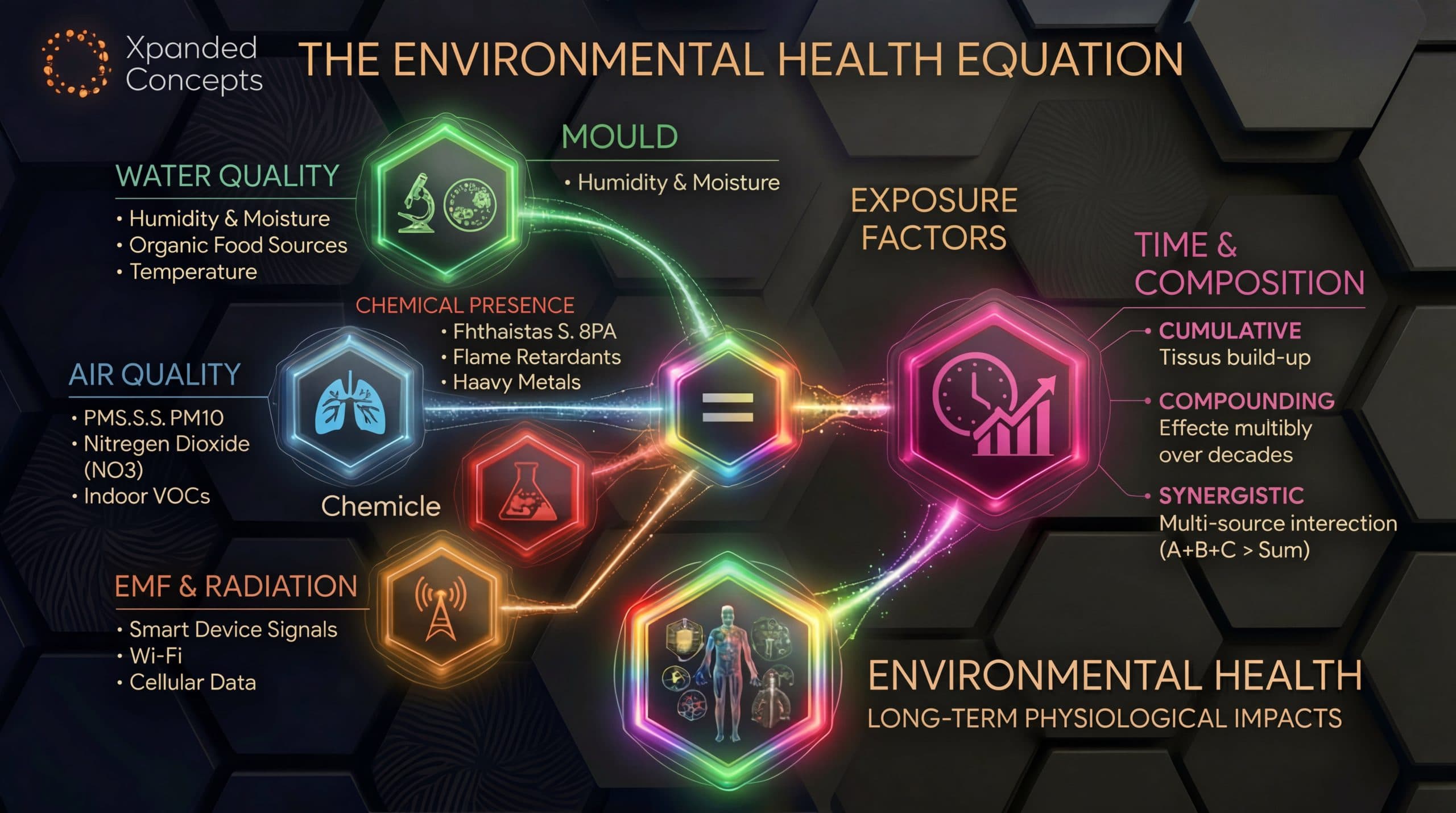
The Environmental Health Equation diagram: water quality, mould, air quality, chemical and EMF exposure factors combine with time into long-term physiological impacts

1. Cumulative Exposure (Total Toxic Load)

One of the most important concepts in environmental health is cumulative exposure, often referred to as total toxic load. Every day, you're exposed to small amounts of chemicals, pollutants, and environmental stressors through the air you breathe, the water you use, and the materials around you. On their own, these exposures may seem insignificant, but over time they accumulate and place ongoing demand on the body. By identifying and reducing these sources within your home, you lower this overall load, creating an environment that supports the body rather than constantly challenging it, and helping improve resilience, recovery, and long-term health.

Supporting human biology illustration

Support Human Biology

The second objective is to create conditions that better support the body's natural biological processes.

The human body is remarkably adaptive. Every day it is continually repairing, regulating, recovering, detoxifying, responding to challenges, and maintaining balance. Sleep, in particular, is one of the primary periods during which many of these restorative processes occur.

Healthy Home Optimisation seeks to create environments that support these functions rather than interfere with them. This may include improving sleep environments, supporting circadian rhythms, enhancing air quality, increasing access to natural light, improving comfort, and creating spaces that promote rest and recovery.

The goal is to create conditions that allow the body to do what it is naturally designed to do.

How We Prioritise Healthy Home Decisions

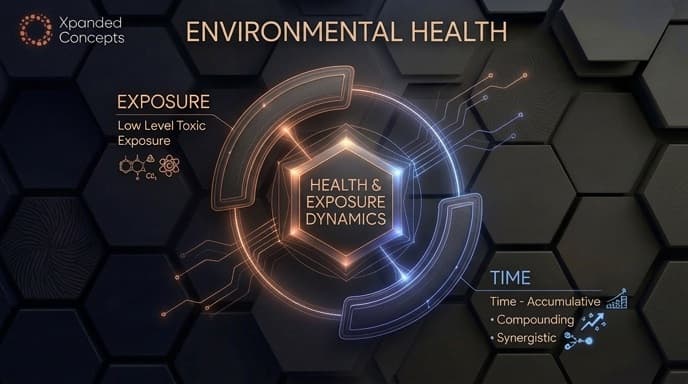
While the principles of healthy homes may apply broadly, not every issue carries the same level of significance. Two homes can have the same environmental conditions yet require very different priorities and recommendations. To help determine where attention should be focused, we apply two important filters when assessing homes and indoor environments: time and vulnerability. These filters help provide context to the information gathered during an assessment and ensure that efforts are directed towards the areas likely to have the greatest impact.

Environmental health diagram: exposure and time combine in health and exposure dynamics

Time

One of the most important factors when assessing a home is understanding where occupants spend their time. The amount of time spent in an environment can significantly influence the importance we place on a particular exposure or issue. A concern identified in a room used for a few minutes each day may warrant a different level of attention than the same concern identified in a space occupied for many hours.

For this reason, we often prioritise areas where people spend the greatest amount of time. Bedrooms are a common example. Most people spend approximately one-third of their lives sleeping, making the sleeping environment one of the most influential spaces within the home. Likewise, home offices, living areas and other regularly occupied spaces are often given greater consideration than infrequently used rooms or outdoor areas.

In creating healthier homes, where you spend your time often matters just as much as what you are exposed to.

Innate healing illustration for allied health practitioners

Vulnerability

Not everybody responds to environmental stressors in the same way. Factors such as age, health status, genetics, existing medical conditions and individual sensitivities can all influence how a person interacts with their environment.

An environmental condition that may have little noticeable impact on one person could have a much greater effect on another. Infants, young children, the elderly, pregnant women, individuals with respiratory conditions, mould sensitivity, chemical sensitivities, chronic illness or compromised immune function may require a more cautious approach.

For this reason, recommendations are not based solely on the home itself, but also on the people living within it. Understanding vulnerability helps ensure that priorities are aligned with the needs of the occupants rather than relying on a one-size-fits-all approach.

The Hierarchy of Controls Framework

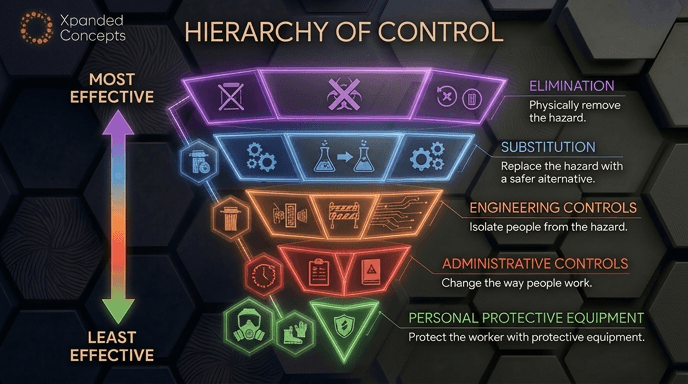
The Hierarchy of Controls is a risk management framework used to reduce exposure to hazards by prioritising the most effective control methods first, rather than relying only on personal behaviour or protective equipment. A key principle of the hierarchy is that controls higher up the hierarchy are generally more reliable and effective because they reduce the hazard itself, rather than relying entirely on individual behaviour or personal protection.

Hierarchy of Controls diagram: elimination, substitution, engineering controls, administrative controls and PPE
  • EliminationRemove the hazard entirely.
  • SubstitutionReplace the hazard with a safer alternative.
  • Engineering ControlsPhysically isolate or reduce exposure through design or systems.
  • Administrative ControlsChange behaviours how you interact with the environment.
  • Personal Protective Equipment (PPE)Use protective equipment to reduce personal exposure.

The Pillars Of A Healthy Home

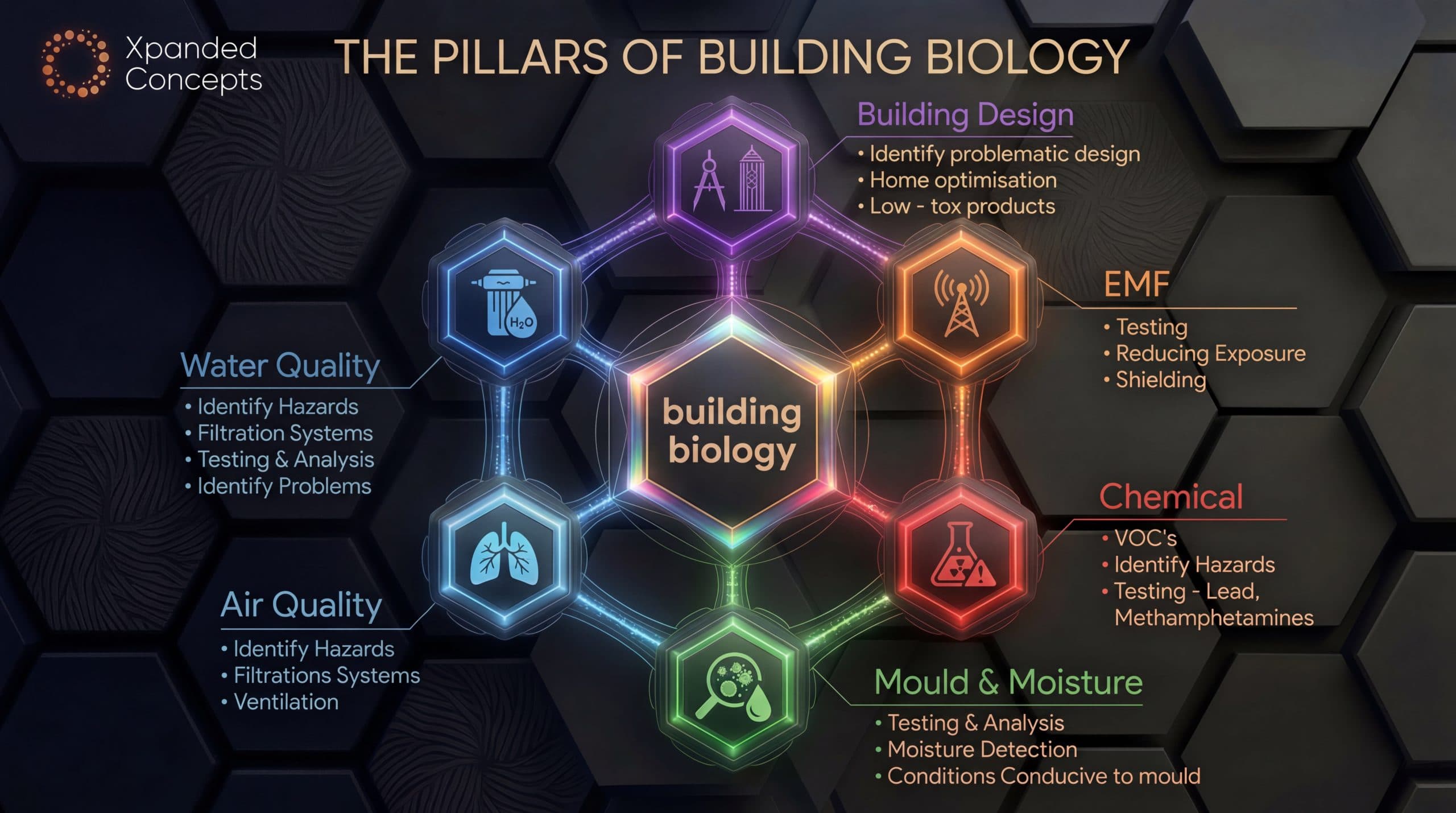
A healthy home is rarely the result of one single thing. It's the result of multiple interconnected factors working together to support the overall health of the home and the people living inside it. Rather than searching for one "perfect" solution, the goal is to reduce unnecessary stressors and stack as many positive influences together as possible. Small improvements across multiple areas can often create a significant overall impact over time. A healthy home is not about perfection, it's about creating an environment that better supports human health through practical, informed decisions and long-term thinking.

The Building Biology Framework

Building biology is about understanding the relationship between the conditions within the built environment and human health. At its core, creating a healthy home comes back to understanding several key factors that influence how a space performs and how it impacts the people living in it. These form the foundation of the Xpanded Concepts framework - breaking the home down into clear pillars that provide a structured way to assess, prioritise, and improve your living environment.

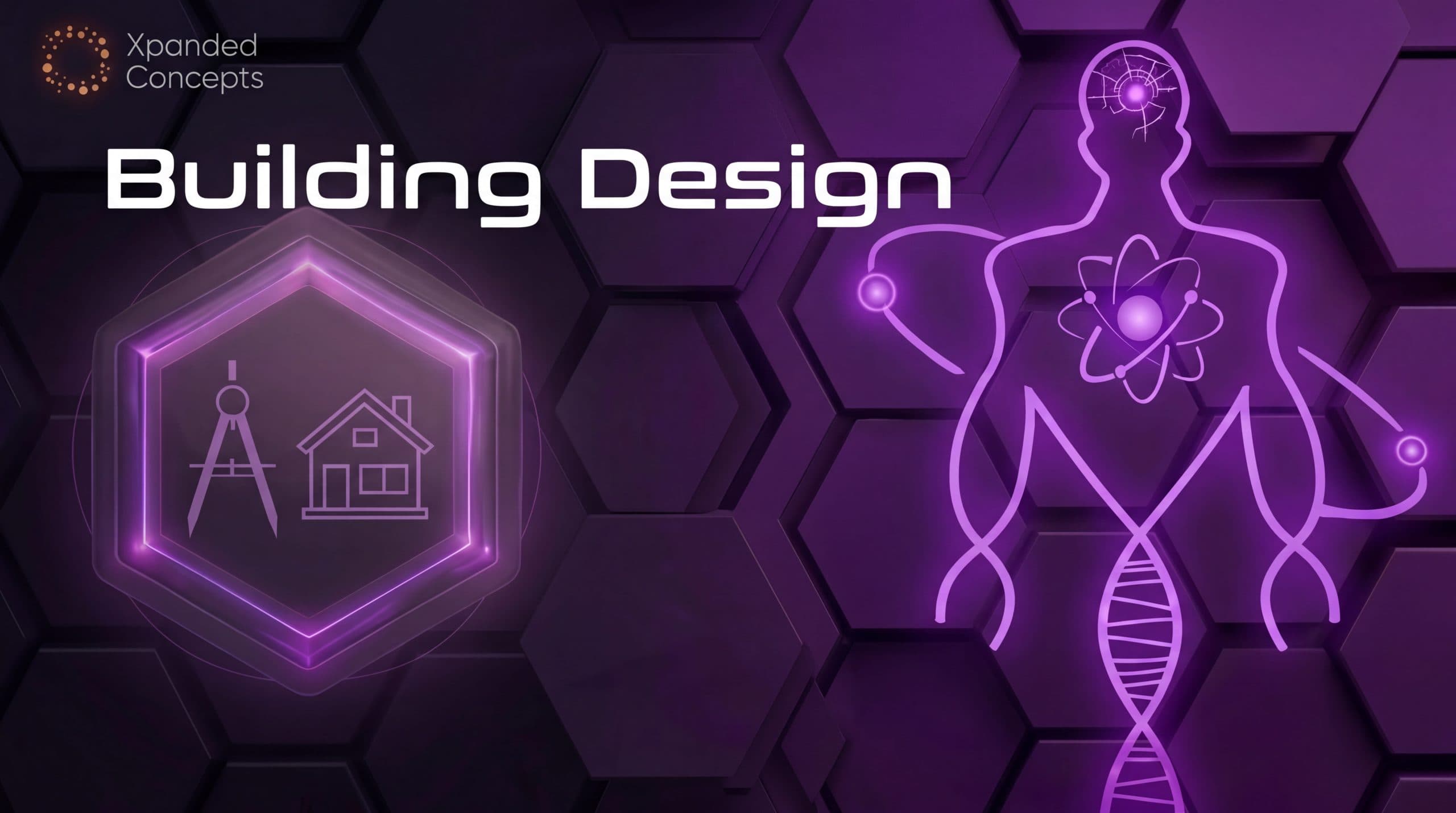
Building design pillar

Building Design

Building design is the foundational pillar of a healthy home because it has the ability to influence almost every other aspect of the indoor environment. The way a home is designed can affect airflow, moisture, temperature regulation, natural light, mould risk, chemical exposure, comfort, and even how the home functions day to day.

Whether you are building a new home or renovating an existing one, you are in a unique position to either get these things right from the beginning, or unknowingly build problems into the home from the start. Unfortunately, health-focused design is often overlooked in modern construction, where the focus is commonly placed on appearance & energy efficiency rather than long-term indoor environmental quality.

Whether you are building or renovating, understanding how building design influences health can help you make more informed decisions. If you would like guidance, Xpanded Concepts offers healthy home consultations, design guidance, plan reviews, and building biology-focused assessments to help create healthier living environments.

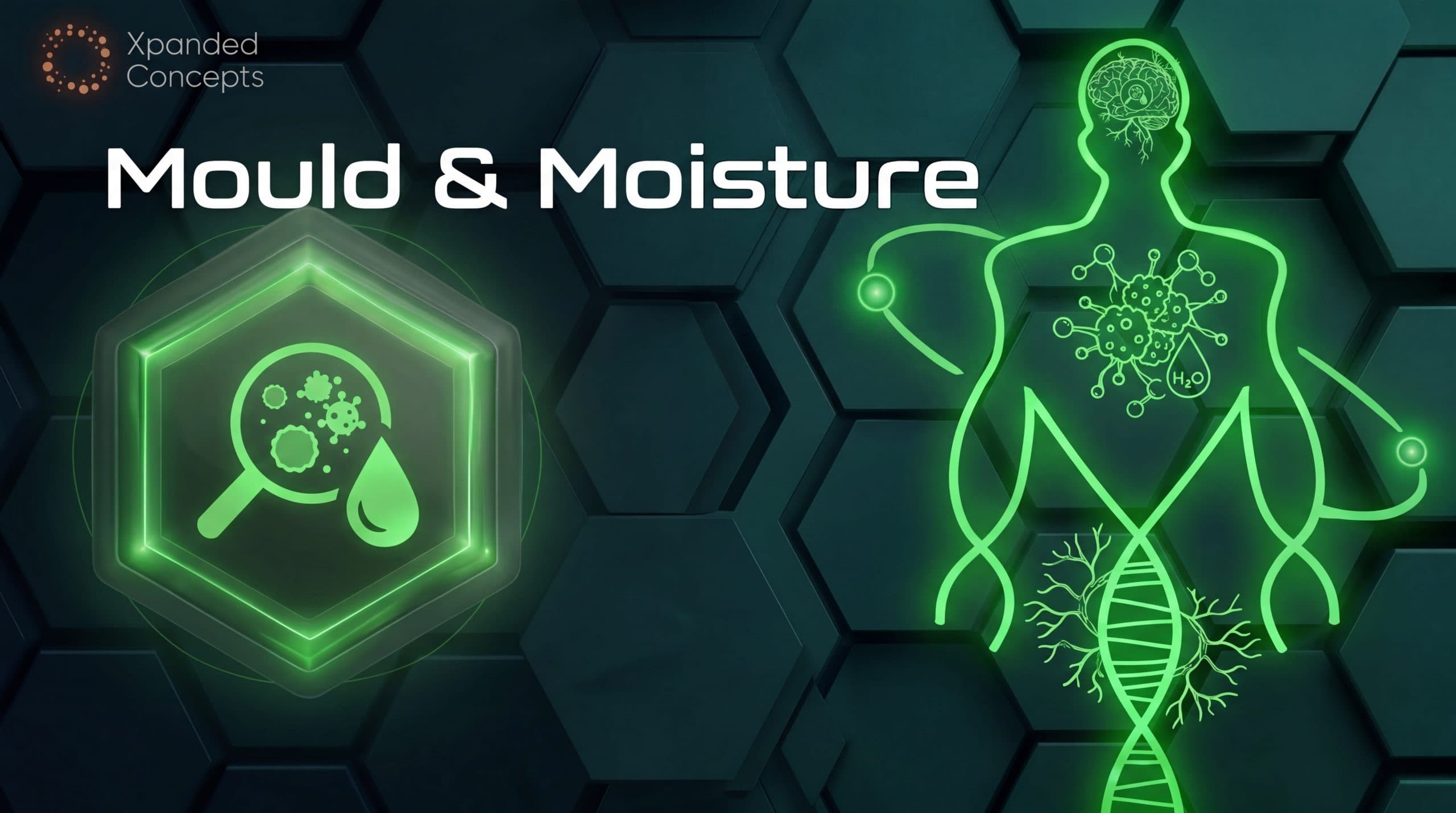
Mould and moisture pillar

Mould & Moisture

Mould and moisture management is one of the most important pillars of creating a healthy home. While mould is naturally present everywhere in the environment, excessive indoor moisture is what allows it to grow, spread, and become a problem indoors.

The key focus of this pillar is not trying to eliminate mould entirely, it is understanding and managing moisture. A healthy home is one that is designed, maintained, and lived in in a way that reduces unnecessary moisture accumulation and allows the home to dry effectively.

Moisture can come from multiple sources. Internally, everyday living activities such as cooking, showering, washing, drying clothes, and even breathing add moisture into the air. Externally, homes are constantly exposed to rain, humidity, groundwater, condensation, and plumbing leaks. When moisture becomes trapped or poorly managed, it can contribute to mould growth, material deterioration, and reduced indoor air quality over time.

Creating a healthier home from a mould and moisture perspective is largely about understanding how moisture moves through a home & and putting practical strategies in place to better manage it.

Air quality pillar

Air Quality

Air quality is one of the most important, and often most overlooked aspects of a healthy home. The reality is we spend a significant portion of our lives breathing the air inside our homes, yet many people rarely think about what may be present in that air.

Indoor air quality can be influenced by a wide range of factors, including ventilation, moisture, mould, dust, chemicals, building materials, cleaning products, cooking, outdoor pollution, and even the way a home is designed and maintained. In many cases, pollutants can gradually build up indoors when homes lack adequate fresh air exchange or trap moisture and contaminants inside.

Creating a healthier home from an air quality perspective is about understanding what may be affecting the indoor environment and taking practical steps to improve airflow, reduce pollutant sources, manage moisture, and support cleaner indoor air over time.

Water quality pillar

Water Quality

Water quality is another important pillar of a healthy home. While we often have limited control over the water entering the property, whether from municipal supply or rainwater tanks, we do have the ability to better understand it and improve it through appropriate filtration and management strategies.

One of the biggest challenges in the water filtration industry is the amount of misleading marketing and unverified claims. Many filtration systems on the market have never undergone rigorous third-party testing, and not all filters are designed to remove the same contaminants. Effective water filtration is not simply about buying a filter, it starts with understanding what may actually be present in the water and what you are specifically trying to reduce or remove.

Different filtration technologies are designed for different purposes, and selecting the wrong system can create a false sense of confidence. Creating a healthier home from a water quality perspective is about understanding your water source, identifying potential concerns, and choosing filtration systems that are appropriately matched to the job they are intended to perform.

Chemicals pillar

Chemicals

Creating a healthy home from a chemical perspective is largely about understanding and reducing unnecessary chemical exposure within the indoor environment. Modern homes are filled with thousands of manufactured products, materials, furnishings, cleaning products, fragrances, plastics, coatings, and synthetic compounds, many of which can contribute to indoor chemical load over time.

One of the biggest challenges is that harmful exposures are not always obvious. Many chemicals are invisible, odourless, or released slowly into the air over long periods through a process known as off-gassing. In many cases, products marketed as "safe," "natural," or "eco-friendly" may still contain ingredients or compounds that are not fully understood by the average consumer.

Creating a healthier home from a chemical standpoint is not about fear or perfection. It is about becoming more intentional with the products, materials, and substances brought into the home, while focusing on practical ways to reduce overall chemical load where reasonably possible.

EMF pillar

EMF

Creating a healthy home from an EMF perspective is about understanding the modern electrical environment we live in and taking practical steps to reduce unnecessary exposure where reasonably achievable. As technology has become more integrated into daily life, homes are now filled with electrical systems, wireless devices, appliances, and communication technologies that generate different forms of electromagnetic fields.

One of the biggest challenges with EMFs is that they are invisible and often poorly understood by the general public. At the same time, the topic is also surrounded by misinformation, fear-based marketing, and products making claims that may not be scientifically validated.

Creating a healthier home from an EMF perspective is not about eliminating technology or living in fear. It is about understanding exposure sources, applying practical risk-reduction strategies, and making informed decisions around how technology is used within the home environment.

Light pillar

Light

Creating a healthy home from a lighting perspective is about understanding how artificial light sources can influence the body's natural circadian rhythm, sleep patterns, and overall wellbeing. Humans evolved in alignment with natural light cycles, yet modern homes now expose us to artificial lighting, screens, LEDs, and blue-enriched light sources long after the sun goes down.

Light does more than simply help us see. It also acts as a biological signal that influences hormones, alertness, mood, sleep quality, and the body's internal clock. Poor lighting environments, particularly excessive bright or blue-rich light exposure at night may interfere with the body's ability to wind down and transition into restful sleep.

Creating a healthier home from a lighting perspective is not about avoiding technology or living in darkness. It is about becoming more intentional with the type, timing, intensity, and placement of artificial lighting within the home to better support natural circadian rhythms and healthier living patterns.

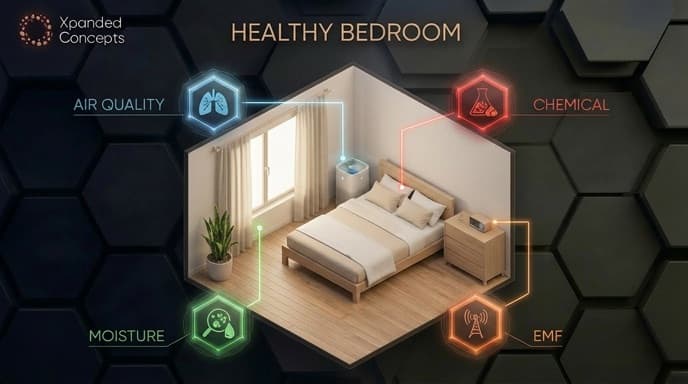
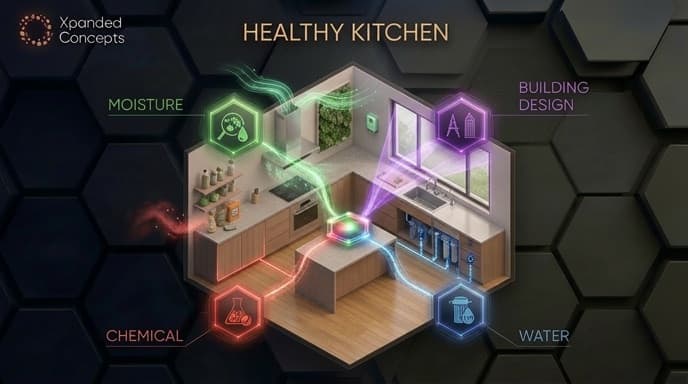
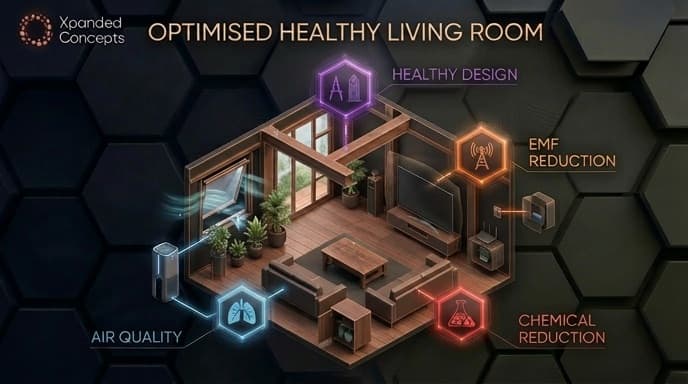
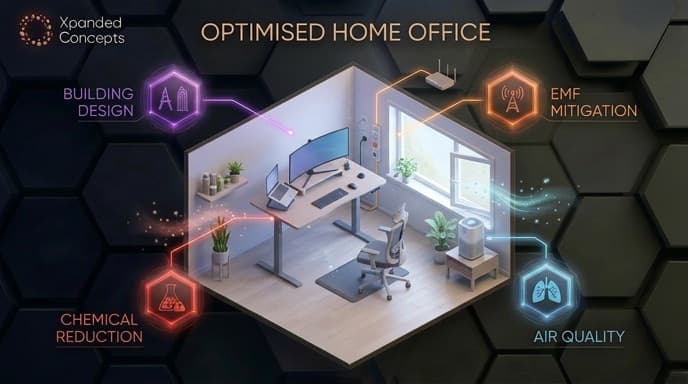
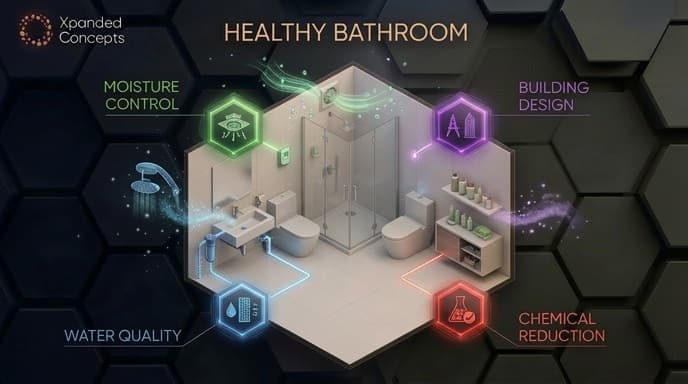
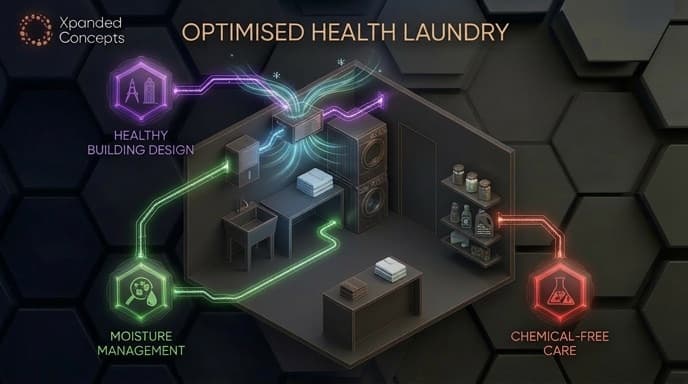
How To Create A Healthy Home - By Room

Every room within a home serves a different purpose, which means each space also comes with its own unique environmental considerations, challenges, and opportunities when creating a healthier home. The factors that matter in a bedroom may be very different to those in a kitchen, bathroom, living area, or workspace.

Creating a healthy home is not about applying one single strategy across the entire house. It is about understanding how each room is used, what exposures or stressors may be more relevant within that space, and what practical changes may help improve the overall living environment.

Explore the sections below to learn more about creating healthier spaces throughout different areas of the home.

Ready To Optimise Your Home?

Every home is unique. The location, design, construction, materials, products, occupants and lifestyle factors all interact to create a complex indoor environment. While the principles outlined above provide a framework for understanding healthy homes, applying them to your own home can often be challenging.

Many people know they want a healthier home but are unsure where to start. Others find themselves overwhelmed by conflicting advice, marketing claims, online opinions and endless product recommendations. The challenge is often not a lack of information, but knowing which information is most relevant to your situation.

Our Healthy Home Optimisation Consultations are designed to help bridge that gap.

Whether you're looking to optimise an already healthy home, investigate potential environmental stressors, support a vulnerable family member, or simply gain clarity on where to focus your efforts, a consultation can provide a personalised roadmap forward.

Together, we

  1. assess your home through a building biology lens,

  2. identify the areas likely to have the greatest impact, and

  3. develop practical recommendations that align with your goals, priorities and budget.

How Do Healthy Home Optimisation Consultations Work?

These consultations are designed to be flexible and tailored to your individual situation. Some people come with a very specific concern, such as mould, water filtration, EMF, air quality, building materials or chemical exposures. Others are simply looking for a broader evaluation of their home and guidance on where to focus their efforts.

Rather than following a rigid checklist, we begin by understanding your goals, concerns, health considerations and the home itself. From there, we evaluate the home through a building biology lens, considering factors such as the external environment, building performance, products and materials within the home, and the habits and behaviours of the occupants.

The purpose is not to identify every possible issue, but to identify the areas likely to have the greatest impact. In many cases, a small number of well-targeted improvements can provide more benefit than attempting to address everything at once.

Consultations are designed to provide practical, personalised guidance. Whether you are looking for answers to a specific question, support for a vulnerable family member, or a broader strategy for creating a healthier home, recommendations are prioritised based on your unique circumstances, goals and budget.

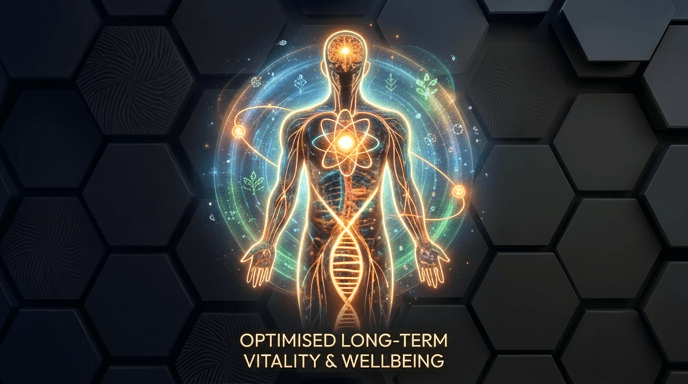
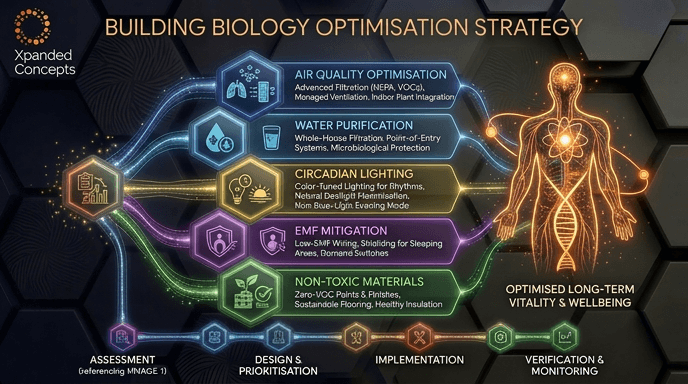
Building Biology Optimisation Strategy diagram: air quality, water purification, circadian lighting, EMF mitigation and non-toxic materials leading to long-term vitality and wellbeing

On-Site Consultations

Available throughout the Sunshine Coast, Brisbane and Gympie regions.

These assessments allow us to evaluate the home in person, observe environmental conditions firsthand and discuss opportunities for improvement within the context of the property itself.

Online Consultations

Available Australia-wide. Online consultations are ideal for discussing any aspect of healthy homes, reviewing concerns, evaluating plans or photos, interpreting test results, assessing products and technologies, or developing a personalised strategy for improving your indoor environment.

Frequently Asked Questions

Call 0401 527 667
Does the Onsite Consultation Include Environmental testing

Environmental Testing that simply rely on meters, like EMF can be assessed. However, Targeted environmental testing that requires laboratory analysis is not included as part of a Healthy Home Optimisation Consultation. Many forms of environmental testing involve laboratory analysis, sampling materials and additional reporting requirements. Because every home and situation is different, it is often more appropriate to first assess the home and determine whether testing is likely to provide meaningful information.

Where appropriate, recommendations may be made for targeted testing such as mould, water quality, lead, methamphetamine, or other environmental assessments. These services can be arranged separately if required.

Will I receive a written summary?

On-Site Consultations

Yes. Following an on-site consultation, you will receive a written summary outlining the key observations, findings and recommendations discussed during the assessment.

The summary is designed to provide clear guidance and practical next steps, allowing you to revisit the discussion and prioritise future actions. While it is not a full technical report, it will capture the main observations, recommendations and areas for further consideration identified during the consultation.

Online Consultations

No formal written summary is provided as part of an online consultation. These sessions are designed to provide guidance, education and personalised advice in a conversational format.

Where relevant, supporting information, resources, links, product recommendations or other reference materials may be provided following the consultation to assist with topics discussed during the session.

Can we cover everything in a one-hour consultation?

It depends. Every home, occupant and situation is different. Some consultations focus on a single topic, while others involve multiple concerns spanning several aspects of the home.

The goal of the consultation is not necessarily to cover every possible detail, but to identify and discuss the areas likely to have the greatest impact. In many cases, trying to address everything at once can be overwhelming and counterproductive.

Whether we cover one topic or many, the consultation is designed to provide practical, prioritised guidance and clear next steps. Most clients leave with more than enough information to begin making meaningful improvements to their home environment.

Do you offer follow-up support?

Absolutely. Creating a healthier home is often an ongoing process, and it's common for new questions to arise after the initial consultation.

For this reason, online consultations are available Australia-wide and provide a convenient way to access additional guidance when needed. Whether you're implementing recommendations, reviewing products, interpreting test results or simply looking for further direction, follow-up consultations can be booked at any stage.

Many clients find that a short follow-up consultation provides valuable clarity and helps keep them moving in the right direction.

Do I need to have a specific problem to book a consultation?

No. Some clients have a specific concern they want help with, while others are simply looking to better understand their home and identify opportunities for improvement. Consultations can be tailored to a single issue or provide a broader healthy home perspective.

Is this consultation suitable if I'm building, renovating or planning to buy a home?

Yes. Consultations can be valuable at any stage of a home's lifecycle, including pre-purchase, renovation, new construction, or existing homes. Early decisions often provide the greatest opportunity to avoid future issues and reduce the need for costly changes later.

What if I don't know where to start?

That's perfectly fine. Many clients know they want a healthier home but aren't sure what to focus on first. Part of the consultation process is helping identify the areas most relevant to your circumstances and prioritising practical next steps.

Will I be pressured into purchasing products or additional services?

No. Recommendations are based on your goals, circumstances and budget. While additional testing, products or services may sometimes be recommended, there is no obligation to proceed with any recommendation. The focus is on providing information and helping you make informed decisions.

Do I need to implement everything you recommend?

No. Recommendations are intended to provide options and priorities, not a list of mandatory actions. Most clients choose to implement changes gradually over time, focusing first on the areas likely to provide the greatest benefit.

Make an Enquiry

Feel Free to reach out & we'll work out the most appropriate next step.

How Can We Help

"*" indicates required fields

Your details are sent to Xpanded Concepts so Ryan can respond to your enquiry. Read our Privacy Policy.

Ph: 0401 527 667